
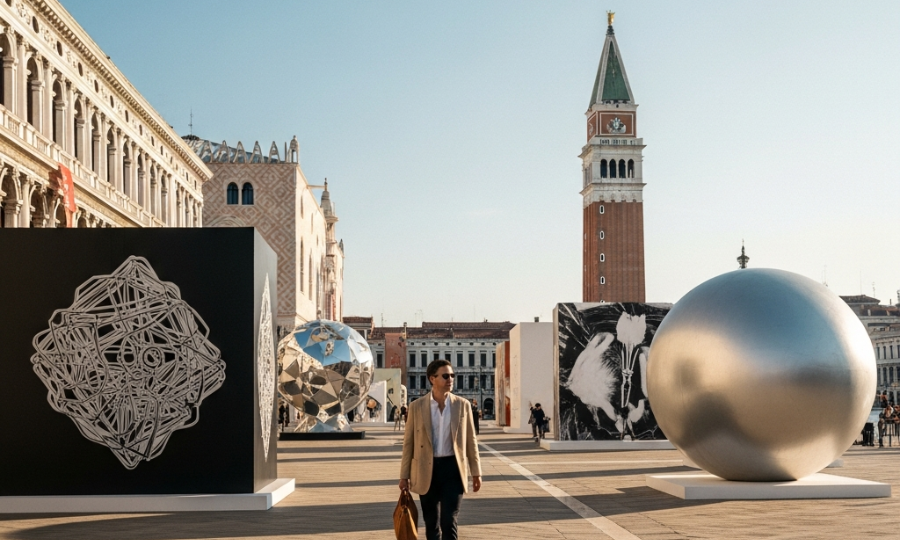
The Venice Biennale, often called the “Olympics of the art world,” is an extraordinary event that transforms Venice into a sprawling, vibrant gallery. I always feel a surge of excitement knowing that the 61st International Art Exhibition is unfolding from May 9 to November 22, 2026. This prestigious event offers profound insights into global art trends and cultural dialogues. It’s a chance to immerse yourself in contemporary art, explore diverse perspectives, and truly connect with the creative spirit.
Key Takeaways
- The 61st Venice Biennale, themed “In Minor Keys,” runs from May 9 to November 22, 2026, and features numerous National Participations and Collateral Events across Venice.
- Explore the historic Giardini with its permanent national pavilions and the vast Arsenale, a former shipyard transformed into exhibition space, to experience the core of the Biennale.
- Beyond the main venues, discover numerous independent Collateral Events housed in historic palazzi and churches throughout Venice, offering unique artistic encounters.
- Strategic planning, including booking tickets online and allowing ample time (around three hours per main venue), enhances your visit to this major international art exhibition.
This year, the Biennale promises a unique experience with its thought-provoking theme, diverse national presentations, and countless collateral events scattered across the city. Get ready to discover the magic of art in one of the world’s most beautiful settings.
1. Embrace the “In Minor Keys” Theme
Why it stands out: The 61st Biennale’s theme, “In Minor Keys,” invites a deeper, more nuanced engagement with art and its impact. This concept, developed by the late curator Koyo Kouoh, focuses on quieter tones, lower frequencies, and the consolations of poetry. It is a powerful vision that celebrates the small, often overlooked undercurrents that shape our daily lives and the planet.
I find this theme particularly inspiring because it encourages us to slow down. It asks us to look beyond the dramatic and appreciate the subtle ways art reflects resistance, memory, ritual, and intimacy. The Biennale di Venezia, with the full support of Koyo Kouoh’s family, is dedicated to realizing her vision, preserving and disseminating her ideas and the work she pursued. This approach allows for a rich exploration of how artists from various geographies and regions find connections in their practices, even when far apart.
2. Navigate the Giardini’s National Pavilions
Why it stands out: The Giardini is the historic heart of the Biennale, where many nations have established permanent pavilions over time.
Walking through this parkland, you encounter diverse architectural styles and artistic expressions, each representing a country’s unique cultural narrative. It’s a truly international experience.
This year, the exhibition includes 100 National Participations, with a significant number located in the Giardini. Seven countries are participating for the first time, including the Republic of Guinea, Qatar, and the Federal Republic of Somalia. I always make sure to spend ample time here, allowing myself to wander and discover the distinct showcases from countries like Belgium, Germany, and India. Each pavilion offers a window into contemporary art from a different corner of the globe.
3. Explore the Vastness of the Arsenale
Why it stands out: The Arsenale, a former shipbuilding complex dating back to the 14th century, offers a dramatically different atmosphere from the Giardini. Its immense, historic spaces are transformed into captivating exhibition halls, hosting a significant portion of the main international exhibition and additional national pavilions. The sheer scale of the Arsenale is breathtaking.
I love how the industrial architecture provides a powerful backdrop for contemporary art, creating a unique dialogue between history and innovation. The Arsenale is home to a notable number of national participations and a large section of the main exhibition curated around the “In Minor Keys” theme. You can expect to see ambitious installations and thought-provoking works that engage with the expansive environment. The average visit to each main venue, Giardini or Arsenale, can take several hours.
4. Discover the City’s Collateral Events
Why it stands out: Beyond the main venues, Venice itself becomes a canvas for the Biennale. The 61st International Art Exhibition features numerous Collateral Events, promoted by non-profit national and international bodies. These independent exhibitions are scattered throughout historic palazzi, churches, and unexpected corners of the city, offering a treasure hunt for art lovers.
I always find that these events provide some of the most memorable and intimate encounters with art. For example, you might stumble upon an immersive abstraction by François Reboul at Spazio SV or a site-specific video installation by Ieva Lygnugarytė in a secret Venetian church. These events enrich the diversity of voices and narratives that characterize the Biennale, allowing for a deeper exploration of themes like identity, displacement, and memory. Make sure to check the program and map your route to catch these hidden gems.
5. Understand the Biennale’s Global Dialogue
Why it stands out: The Venice Biennale serves as a critical global platform for artistic expression, cultural diplomacy, and addressing pressing global issues. It brings together 110 invited participants from diverse geographies, fostering a rich dialogue across cultures. This year’s theme, “In Minor Keys,” further emphasizes this global conversation.
I believe that experiencing the Biennale means engaging with these dialogues. It is a place where artists from around the world present their unique perspectives, reflecting national identities and contemporary societal themes. The exhibition highlights how ingenuity and material experimentation from places like Salvador, Dakar, and Nashville can resonate across continents. This global exchange of ideas is what makes the Biennale so impactful and relevant.
6. Plan Your Visit Strategically
Why it stands out: Venice can be a labyrinth, but with a little planning, you can maximize your Biennale experience. The exhibition runs from May 9 to November 22, 2026. Weekdays are generally recommended for a calmer visit, as weekends tend to be more crowded. Summer months, from May to September, offer extended opening hours at the Arsenale on Fridays and Saturdays.
I always advise booking tickets and any guided tours online in advance. The Giardini and Arsenale are within walking distance of each other, and tickets provide admission to both venues. Consider purchasing a multi-day ticket if you plan to explore extensively, as these are valid for consecutive days and can offer flexibility. Don’t forget to download the official brochure or app for maps and artist information.
7. Connect with the Art Market’s Pulse
Why it stands out: While the Biennale is primarily an exhibition, its impact on the art market is undeniable. Showing in Venice can significantly speed up sales, advance artistic careers, and influence price levels. It acts as a powerful validator for artists and their work.
I’ve observed that participation in the Biennale often marks the beginning, rather than the end, of an artist’s career trajectory. Galleries and art dealers often use the Biennale to showcase artists, with subsequent sales often occurring at major art fairs like Art Basel. While the Biennale stopped having a sales office in 1973 due to protests against commercialism, its prestige still profoundly influences the buy and sell practices in the art world. This dynamic highlights the complex interplay between culture and commerce.
8. Experience Venice Beyond the Art
Why it stands out: Venice itself is a masterpiece, and integrating its unique charm with your Biennale visit creates an unforgettable journey. The city’s rich history, stunning architecture, and vibrant culture are an essential part of the experience.
I encourage you to set aside time to simply wander the calli (narrow streets), discover hidden campos (squares), and enjoy a traditional Venetian meal. The Biennale also coincides with other significant cultural events, such as the Venice International Film Festival, which runs from September 2-12, 2026. Combining your art exploration with these other festivals or simply soaking in the Venetian atmosphere truly enhances the entire trip. Consider exploring neighborhoods like Cannaregio for an authentic Venetian life experience, away from the main tourist crowds.
Final Thoughts
The 61st Venice Biennale is more than just an art exhibition; it’s a global cultural phenomenon. By embracing the theme, exploring the diverse venues, and allowing yourself to get lost in both the art and the city, you will create lasting memories. Plan your visit with excitement and an open mind, and prepare to be inspired by the incredible creativity on display. This is your chance to witness art history in the making and connect with a worldwide community of artists and enthusiasts.
Sources
- Forbes — How To Enjoy The Venice Biennale In Three Days
Related Reading
Frequently Asked Questions
When is the 61st Venice Biennale taking place?
The 61st International Art Exhibition of La Biennale di Venezia runs from Saturday, May 9, to Sunday, November 22, 2026. Preview days precede the public opening.
What is the theme of the 2026 Venice Biennale?
The theme for the 61st Venice Biennale is “In Minor Keys,” a concept developed by the late curator Koyo Kouoh. It explores subtle tones, lower frequencies, and nuanced forms of artistic expression.
How many countries are participating in the 61st Venice Biennale?
The 61st International Art Exhibition includes 100 National Participations. Seven countries are participating for the first time, such as the Republic of Guinea and Qatar.
What is the impact of the Venice Biennale on artists’ careers?
Participation in the Venice Biennale can significantly boost an artist’s career, increasing their visibility and potentially influencing the value of their work in the art market. It is often seen as a pivotal moment for an artist’s trajectory.
This article was drafted with AI assistance. Please verify all claims and information for accuracy. The content is for informational purposes only and does not constitute professional advice.
Ready to plan your trip?
AIrConxt builds daily trip plans in 2 minutes.
Calculator values are estimates. Always confirm with your airline, hotel, or credit-card provider.
