
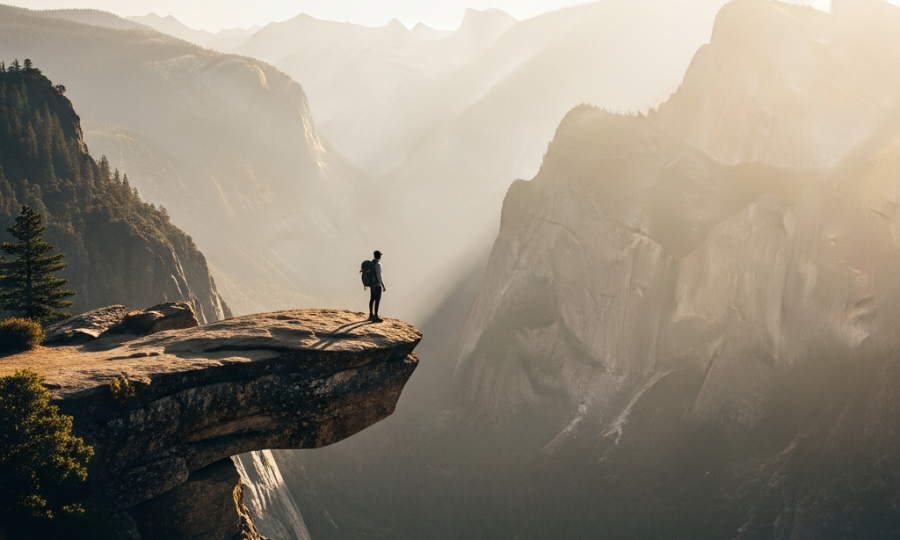
You can discover America’s breathtaking landscapes without emptying your wallet or battling massive crowds. Many travelers spend over $300 per day visiting popular national parks during peak summer, often encountering long lines and booked accommodations. However, I have found incredible tranquility and saved hundreds by exploring hidden gems. This complete checklist helps you plan an affordable, serene escape to America’s lesser-known national parks this summer. You will gain essential tips for smart planning and enjoying your adventure.
Key Takeaways
- An America the Beautiful Pass, costing $80 annually, covers entry to over 2,000 federal recreation sites, saving visitors money on multiple park visits.
- Camping inside national parks typically ranges from $15-$30 per night, offering significant savings compared to average hotel costs exceeding $200-$300 per night near popular parks.
- Packing your own meals for a five-day national park trip can save over $150 per person, avoiding premium prices at park concessionaires.
- Lesser-known national parks like Great Basin National Park receive only about 150,000 annual visitors, providing a less crowded experience than top parks that see over 5 million visitors.
Use this guide as your go-to reference. It covers everything from choosing the right park to saving money on the go. You can consult it before booking your trip and even reference it during your journey. Get ready for an unforgettable, budget-friendly experience!
Choosing Your Hidden Gem
✓ Research Lesser-Known National Parks
First, identify parks that offer stunning beauty without the fame. I always start by looking at parks outside the top 10 most visited. For example, Congaree National Park in South Carolina offers incredible old-growth bottomland hardwood forest, and its average summer attendance is significantly lower than Yellowstone. You can explore amazing boardwalks and canoe trails there. Similarly, Great Basin National Park in Nevada provides unique cave systems and ancient bristlecone pines, seeing only about 150,000 visitors annually compared to Zion’s 5 million. These parks deliver genuine awe without the price tag of overcrowded destinations. They often have lower entry fees or even free access, saving you money upfront.
✓ Invest in an America the Beautiful Pass
Next, consider purchasing an America the Beautiful Pass. This annual pass costs $80 and covers entrance fees at over 2,000 federal recreation sites, including all national parks. I always recommend this pass if you plan to visit two or more parks within a year. For instance, a single park entry fee can range from $20 to $35 per vehicle. Therefore, the pass quickly pays for itself. It provides tremendous value and encourages further exploration. You support park conservation efforts while saving money on every visit.
✓ Check Park-Specific Websites for Fees and Regulations
Before you finalize any plans, visit the official National Park Service website for your chosen park. You will find critical information on current entrance fees, camping costs, and any specific regulations. Some smaller parks, like Cuyahoga Valley National Park in Ohio, do not charge an entrance fee at all. This instantly reduces your budget. Always verify operating hours and specific rules for activities like hiking or backcountry permits. Planning ahead prevents unexpected expenses and ensures a smooth trip.
Smart Travel Planning & Accommodations
✓ Book Accommodations Early (Especially Camping)
Secure your lodging well in advance. I have learned that booking campsites 6-12 months out is crucial, especially for popular seasons. National park campgrounds typically cost $15-$30 per night. In contrast, nearby hotels can easily exceed $200-$300 per night. If camping is not an option, look for lodging in small towns just outside park boundaries. These options are often significantly cheaper than staying inside a park or in a major gateway town. You save substantial money by planning ahead.
✓ Explore Dispersed Camping or BLM Land
Also, consider dispersed camping on Bureau of Land Management (BLM) land or National Forests. This option is often free and provides a truly rustic experience. I have enjoyed incredible solitude and saved hundreds of dollars camping on BLM land adjacent to parks like Capitol Reef in Utah. Always research regulations and Leave No Trace principles before attempting dispersed camping. It requires self-sufficiency but offers unparalleled budget savings and freedom.
✓ Pack Your Own Meals and Snacks
You can dramatically cut food costs by bringing your own provisions. I always pack a cooler with groceries for breakfast, lunch, and dinner, plus plenty of snacks. Park lodges and concessionaires often charge premium prices for basic items. For example, a simple burger and fries can cost $18-$25 inside a park. Preparing your own meals for a five-day trip can save you over $150 per person. This simple habit keeps my travel budget intact. You also enjoy healthier options and avoid waiting in lines.
On-Site Savings & Activities
✓ Utilize Free Ranger Programs and Visitor Centers
Take advantage of the free educational programs offered by park rangers. Most national parks provide daily ranger-led hikes, talks, and evening campfire programs. These activities are incredibly informative and completely free. I always check the visitor center schedule upon arrival. You learn so much about the park’s ecology, history, and geology from these passionate experts. They add immense value to your trip without any additional cost.
✓ Explore Hiking Trails and Self-Guided Walks
Hiking is generally a free activity and offers the best way to experience a national park. You will find trails ranging from easy strolls to challenging multi-day treks. Many parks, like Pinnacles National Park in California, feature extensive trail networks. I always prioritize exploring on foot. This allows you to connect deeply with nature and discover hidden vistas. You get great exercise and incredible views for free, making it a cornerstone of any budget trip.
✓ Bring Your Own Gear (Tents, Cookware, etc.)
Avoid renting expensive equipment by bringing your own. Investing in quality camping gear like a tent, sleeping bag, and basic cookware pays off quickly. A typical tent rental can cost $30-$50 per night. Over a multi-day trip, this adds up fast. I have relied on my own gear for years, and it saves me money on every adventure. You also ensure comfort and familiarity with your equipment. Borrowing from friends is another excellent, free option if you do not own gear.
Maximizing Your Experience
✓ Carpool or Consolidate Transportation
If you are traveling with friends or family, share vehicle costs. Splitting gas money and potential park entrance fees significantly reduces individual expenses. Many parks also offer free shuttle services, like Zion Canyon, during peak seasons. I always look for opportunities to minimize driving inside the park. You save on fuel and reduce your environmental footprint. Carpooling makes the journey more affordable and enjoyable for everyone.
✓ Practice Leave No Trace Principles
Finally, protect these beautiful places for future generations. Always pack out everything you pack in, stay on marked trails, and respect wildlife. I am committed to leaving every campsite and trail better than I found it. Following the seven Leave No Trace principles helps preserve the natural integrity of the parks. You contribute to sustainable tourism and ensure these hidden gems remain pristine. It costs nothing but offers immense benefits.
✓ Be Flexible with Your Schedule
Sometimes, the best deals come from flexibility. If your travel dates are somewhat fluid, you might find cheaper flights or less crowded periods. I have often found that visiting mid-week instead of on weekends can cut hotel costs by 15-20%. Flexibility allows you to seize opportunities for savings. You also experience fewer crowds, enhancing your overall peace and enjoyment.
How to Use This Checklist
You now possess a powerful tool for planning your next adventure. Print this checklist and keep it handy. Tick off each item as you complete it. I encourage you to personalize it, adding notes specific to your chosen park. Remember, the goal is to enjoy America’s natural wonders without financial stress. You are ready to explore, save money, and make incredible memories. Start planning your serene summer escape today!
Related Reading
Frequently Asked Questions
What is the cheapest national park to visit in the US?
Many national parks, such as Cuyahoga Valley National Park in Ohio, offer free entry. Others, especially smaller or lesser-known ones, might have low fees around $15-$20 per vehicle. The America the Beautiful Pass at $80 annually provides access to over 2,000 federal sites, making multiple park visits very affordable.
How can I avoid crowds at popular national parks?
You can avoid crowds by visiting lesser-known parks like Congaree National Park or Great Basin National Park, which see significantly fewer visitors than major destinations. Additionally, plan your trip during off-peak seasons or visit during weekdays instead of weekends. Arriving early in the morning or staying later in the evening also helps.
What is the average cost of a national park trip for a family?
A family can expect to spend $15-$30 per night for camping or $200-$300+ for hotels near popular parks. Food costs can average $150-$200 per person for a five-day trip if eating out, but packing your own meals can save over $150 per person. Fuel and an $80 annual park pass are additional considerations, making total costs highly variable based on choices.
This article was drafted with AI assistance. Please verify all claims and information for accuracy. The content is for informational purposes only and does not constitute professional advice.
Ready to plan your trip?
AIrConxt builds daily trip plans in 2 minutes.
Calculator values are estimates. Always confirm with your airline, hotel, or credit-card provider.
