
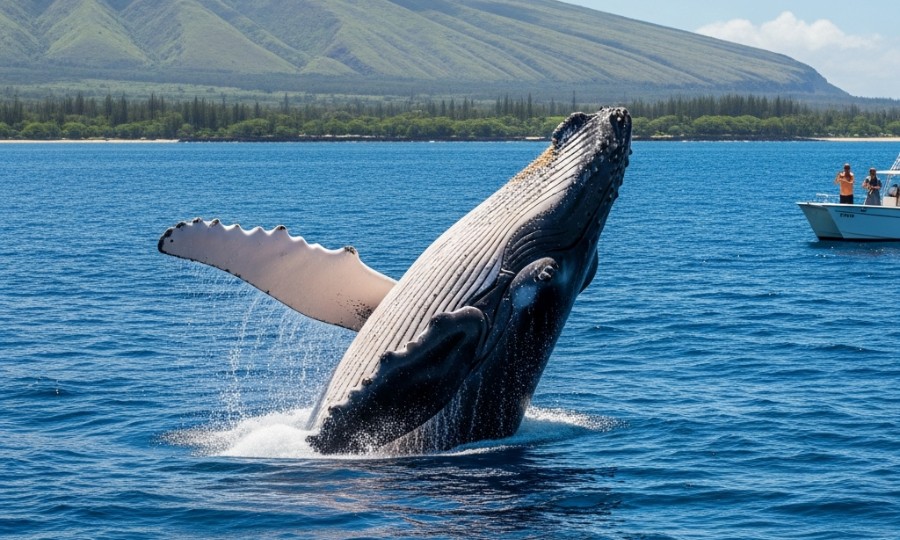
Imagine trading gray skies and chilly winds for warm sun, the gentle lull of the Pacific, and the sight of a magnificent humpback whale breaching against a stunning volcanic backdrop. Sound like a dream? It’s not, especially if you’re thinking about Hawaii in February. This isn’t just any tropical escape; it’s prime time for one of nature’s most awe-inspiring spectacles, making it an ideal destination for those seeking both relaxation and adventure. We’re going to dive into why February is the perfect month for a Hawaiian getaway, focusing on the incredible opportunities for whale watching, and exploring what else this paradise has to offer.
You might be wondering, why February specifically for whale watching? The truth is, it’s peak season for a very good reason. Each winter, thousands of North Pacific Humpback Whales (Kohola in Hawaiian) migrate from the cold, nutrient-rich waters of Alaska to the warm, shallow, protected waters around the Hawaiian Islands to breed, give birth, and nurse their young. While they start arriving in November and depart by May, February consistently offers some of the best viewing opportunities. According to the Hawaiian Islands Humpback Whale National Marine Sanctuary, a federal agency dedicated to protecting these majestic creatures, February sees the highest concentration of whales in Hawaiian waters. This means you’ll have an excellent chance of witnessing breathtaking behaviors like breaches, tail slaps, and spyhops. (And trust me, seeing a 40-ton animal launch itself out of the water is an unforgettable experience!)
Witnessing Giants: Your Hawaiian Whale Watching Experience
So, you’re convinced February is the time to go. What does a whale watching tour actually entail? Most tours depart from harbors on Maui (often considered the best island for whale watching due to its shallow ‘Au’au Channel), Oahu, Kauai, and the Big Island. You’ll usually board a catamaran or a smaller, more nimble Zodiac-style boat. Catamarans offer comfort and stability, often with amenities like restrooms and shaded areas, perfect for families or those who prefer a smoother ride. Zodiacs, on the other hand, provide a more thrilling, up-close experience, getting you closer to the water’s surface (while maintaining a respectful and legal distance from the whales, of course). Most reputable tour operators adhere strictly to federal guidelines, like the 100-yard approach limit, ensuring both your safety and the whales’ well-being. What could be more awe-inspiring than watching a mother whale teach her calf to breach, or seeing a male whale sing his intricate song through hydrophones on board?
During a typical 2-3 hour tour, experienced naturalists are usually on hand to provide fascinating insights into humpback whale behavior, migration patterns, and conservation efforts. They’ll help you spot whales, identify different behaviors, and answer all your burning questions. I believe these educational components truly enrich the experience, making it more than just a sightseeing trip – it’s an immersive lesson in marine biology. For example, on a recent trip to Maui, we watched a pod of whales engaged in what the naturalist called a ‘competition pod’ – several males vying for the attention of a female. The sheer power and agility of these animals were astounding, a testament to nature’s incredible design. You might be thinking that all tours are the same, but they really do vary in focus and boat type, so it’s worth doing a little research to find one that fits your style.
Beyond the Breaches: Tropical Bliss Awaits
While whale watching might be the star attraction in February, Hawaii offers so much more. This is, after all, a tropical paradise! The weather in February is typically delightful, with average temperatures in the mid-70s to low-80s Fahrenheit (around 24-28°C), making it perfect for exploring. You’ll find fewer crowds than during peak holiday seasons, yet still enjoy vibrant activity.
- Pristine Beaches: Whether you’re looking to surf the iconic waves of Waikiki on Oahu, relax on the golden sands of Ka’anapali Beach in Maui, or discover the secluded coves of Kauai, Hawaii’s beaches are legendary. Don’t forget your sunscreen (reef-safe, please!) and a good book.
- Volcanic Vistas: From the active Kilauea volcano on the Big Island to the dormant Haleakala crater on Maui (where you can catch an unforgettable sunrise), Hawaii’s volcanic landscapes are truly unique. Hiking through these otherworldly terrains offers a stark contrast to the lush coastlines.
- Lush Rainforests and Waterfalls: Journey into the heart of the islands to discover verdant rainforests, cascading waterfalls, and vibrant flora. The Road to Hana on Maui is a classic example, offering breathtaking views and countless opportunities for short hikes and swims. On Kauai, the Na Pali Coast provides some of the most dramatic scenery imaginable, best viewed by boat or helicopter.
- Rich Culture and Cuisine: Immerse yourself in the Aloha spirit. Attend a traditional luau, sample fresh poke and shave ice, or visit historical sites like Pearl Harbor. The islands offer a rich tapestry of Polynesian culture blended with influences from Asia and mainland America.
Generally speaking, February is a fantastic time for outdoor activities, as the comfortable temperatures mean you can spend all day exploring without feeling overly hot. We know this feels overwhelming with so many options, but remember, you don’t have to do everything. Pick a few must-dos and savor the experience.
Planning Your Unforgettable Hawaiian Adventure
When planning your trip, consider which island best suits your interests. Maui is often recommended for first-time visitors primarily focused on whale watching and varied activities. Oahu offers a mix of city life and natural beauty, while Kauai is the ‘Garden Isle,’ perfect for nature lovers. The Big Island, as its name suggests, is vast and diverse, with everything from volcanoes to black sand beaches.
Booking your accommodations and whale watching tours in advance is always a good idea, especially since February is a popular time for this specific activity. Don’t forget to pack layers; while days are warm, evenings can be cooler, especially if you’re out on the water. And remember, the sun in Hawaii is intense, so sun protection is paramount!
In most cases, a Hawaiian vacation in February truly delivers the best of both worlds: the thrill of majestic whale encounters and the serene beauty of a tropical paradise. It’s an opportunity to connect with nature, relax on stunning beaches, and immerse yourself in a unique culture. Are you ready to trade your winter blues for some Hawaiian bliss? We think you’ll be incredibly glad you did.
This article was drafted with AI assistance. Please verify all claims and information for accuracy. The content is for informational purposes only and does not constitute professional advice.
Ready to plan your trip?
AIrConxt builds daily trip plans in 2 minutes.
Calculator values are estimates. Always confirm with your airline, hotel, or credit-card provider.
