
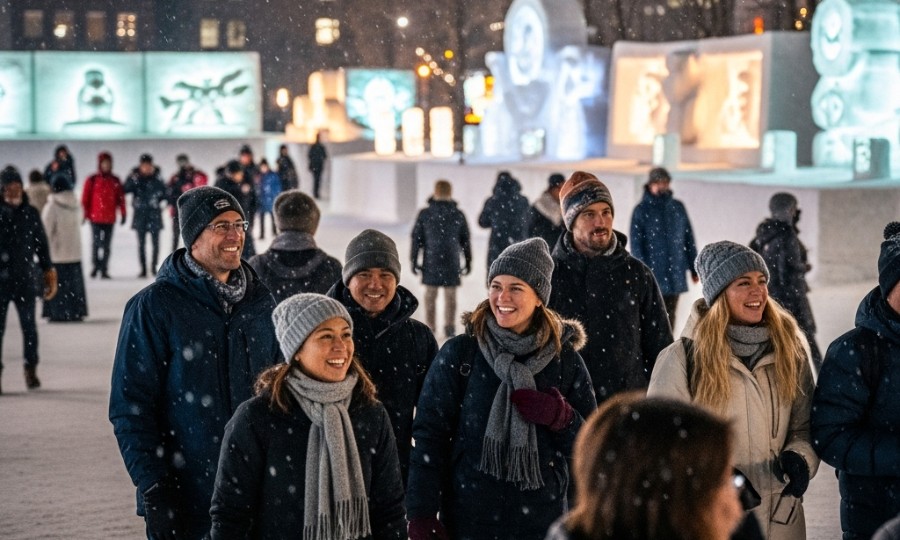
Ever felt the chill of winter settle in, making you yearn for a place where the cold isn’t just bearable, but actually celebrated with incredible warmth and light? Here in the U.S., we often bundle up and hunker down, but what if winter could be an electrifying, unforgettable adventure? That’s precisely what awaits you in Japan, a country that transforms its frosty landscapes and urban centers into dazzling spectacles of light and snow. You might think winter travel means battling blizzards, but in Japan, it means stepping into a living, breathing fairy tale.
Why Winter in Japan is a Must-Experience Spectacle
When we talk about winter travel, skiing or snowboarding often comes to mind, right? But Japan offers so much more than just slopes. It’s a season where ancient traditions meet modern artistry, creating an atmosphere that’s genuinely unique. From the northern reaches of Hokkaido to the bustling streets of Tokyo, the country embraces winter with a vibrancy that’s truly infectious. It’s not just about enduring the cold; it’s about reveling in it, transforming it into something beautiful. We’re talking about intricate ice sculptures, millions of twinkling lights, and a sense of collective wonder that you simply don’t find year-round.
The truth is, visiting Japan in winter gives you a different perspective. You get to see cities draped in a serene white, temples dusted with snow, and a cultural richness that feels even more profound against the crisp air. Plus, often, there are fewer crowds at major attractions compared to the peak cherry blossom or autumn leaf seasons, which can make for a more intimate experience. Don’t you think that sounds pretty appealing?
The Grandeur of Sapporo: A Festival of Ice and Snow
If there’s one winter event that truly defines Japan’s ability to turn cold into captivating, it’s the Sapporo Snow Festival (Yuki Matsuri). Held annually in early February in Hokkaido, this isn’t just a local gathering; it’s one of the world’s most famous winter festivals, drawing millions of visitors from around the globe. Imagine walking through Odori Park, a vast urban green space, only to find it transformed into an outdoor art gallery featuring colossal snow sculptures, some towering over 50 feet tall! These aren’t just snowmen; they’re incredibly detailed replicas of famous buildings, historical figures, or popular anime characters (yes, even that!).
The scale of artistry involved is simply breathtaking. Teams of sculptors, often international, work tirelessly for weeks, using heavy machinery and delicate hand tools to bring these temporary masterpieces to life. At night, the sculptures are dramatically illuminated, casting an otherworldly glow that makes the experience even more magical. You’ll find yourself constantly pulling out your phone, trying to capture the intricate details, but a photo simply doesn’t do it justice – you really have to be there. It’s an incredible feat of engineering and artistic vision, don’t you agree?
Beyond the Main Site: Susukino and Tsudome
While Odori Park is the main stage, the Sapporo Snow Festival extends its magic to other areas. In the Susukino entertainment district, you’ll discover a stunning array of ice sculptures. Unlike the grand snow sculptures, these are often more delicate and transparent, showcasing intricate designs carved directly from blocks of ice. It’s a completely different vibe, and honestly, it’s just as impressive in its own way. And for those traveling with family, the Tsudome site offers a more active experience with huge snow slides and snow rafting, perfect for letting the kids (or the kid in you!) burn off some energy. It’s a full-spectrum winter wonderland!
Otaru’s Enchanting Glow: The Snow Light Path
Just a short train ride from Sapporo, the charming port town of Otaru offers a beautifully contrasting winter experience with its Snow Light Path festival. If Sapporo is about grand, awe-inspiring scale, Otaru is about intimate, romantic beauty. For about ten days in February, coinciding with the Sapporo festival, Otaru’s historic canals and streets are adorned with thousands of glowing lanterns and candles. These aren’t electric lights, but actual candles nestled in snowdrifts and floating gently on the canal waters, creating a warm, flickering ambiance that feels straight out of a dream.
Walking along the Otaru Canal, with the gas lamps illuminating the historic brick warehouses and the soft glow of candles reflecting on the water, is truly a magical experience. It’s a scene that photographers dream of capturing, and honestly, it’s pretty hard to mess up a photo here. The local residents and volunteers often create small snow statues and candle holders, adding a personal, heartfelt touch to the entire town. You’ll find yourself slowing down, breathing in the crisp air, and simply soaking in the tranquil beauty. It’s a stark, lovely contrast to the hustle and bustle you might expect in Japan, wouldn’t you say?
City Illuminations: Transforming Urban Landscapes
Beyond the dedicated festivals, Japan’s cities themselves become canvases for incredible light displays during the colder months. These “illuminations” are a serious affair, often starting in November and lasting through February or even March, turning urban centers into glittering, futuristic landscapes. We’re not talking about just a few string lights; these are meticulously designed, large-scale installations using millions of LEDs, often with intricate themes and synchronized music. They truly redefine what city lights can be.
Take Tokyo, for instance. Areas like Marunouchi, with its elegant tree-lined streets, shimmer with champagne-gold lights. Or consider the stunning Shiodome Caretta Illumination (though it’s been reimagined in recent years), which used to draw massive crowds with its themed shows. Osaka’s Midosuji Illumination transforms its main boulevard into a tunnel of light stretching for miles, while Kobe’s Luminarie, a memorial to the Great Hanshin earthquake, creates breathtaking Gothic archways of light. These aren’t just decorations; they’re artistic statements, a testament to Japan’s dedication to aesthetic beauty in every season. You might be thinking, “Are they really that impressive?” And the answer, my friend, is a resounding yes!
Experiencing the Magic: Tips for Your Winter Journey
Planning a winter trip to Japan can feel a little overwhelming, especially if you’re not used to cold climates. But don’t you worry, with a bit of preparation, you’ll be perfectly comfortable. First, layering is your best friend. Think thermal underwear, warm sweaters, a good waterproof outer jacket, hats, gloves, and scarves. Trust me, you’ll be grateful for that extra warmth, especially when you’re outside enjoying the festivals for hours. Secondly, book your accommodation and major train tickets well in advance, especially if you’re aiming for the Sapporo Snow Festival – hotels in Hokkaido fill up fast!
Transportation in Japan is incredibly efficient, even in winter. The shinkansen (bullet train) runs reliably, and local trains and buses are generally on schedule. Just keep an eye on weather forecasts for any potential delays if you’re heading to more remote, snowy areas. Lastly, don’t be afraid to try some of the local winter delicacies! Hot ramen, steaming bowls of nabe (hot pot), and warm sake will not only warm your body but also give you a taste of authentic Japanese winter comfort. It’s all part of the experience, isn’t it?
So, are you ready to trade those winter blues for dazzling lights and snow-kissed wonders? Japan in winter isn’t just a trip; it’s an immersive experience that ignites your senses and leaves you with memories that truly sparkle. From the monumental snow sculptures of Sapporo to the intimate candlelit canals of Otaru and the futuristic glow of urban illuminations, Japan offers a winter escape unlike any other. Why wait? Start dreaming up your illuminated Japanese adventure today!
Ready to plan your trip?
AIrConxt builds daily trip plans in 2 minutes.
Calculator values are estimates. Always confirm with your airline, hotel, or credit-card provider.
