
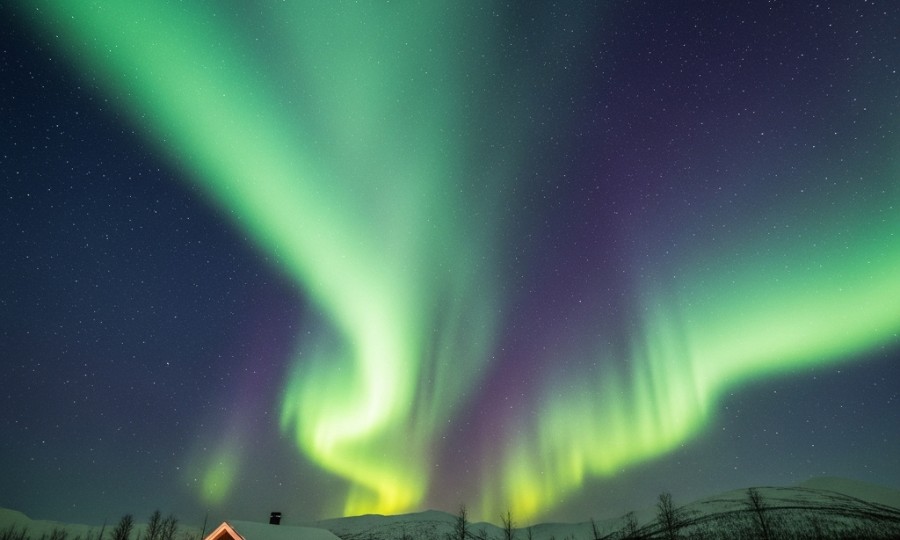
Ever dreamt of standing under a sky ablaze with emeralds and purples, a celestial dance so profound it feels almost supernatural? For many American travelers, chasing the Northern Lights (or Aurora Borealis, if you’re feeling scientific) isn’t just a bucket-list item; it’s a profound pilgrimage into the Arctic’s heart. Europe’s winter wonderland offers some of the most spectacular vantage points for this natural phenomenon, coupled with unique cultural experiences that make the journey unforgettable. We’re seeing a significant surge in interest for these aurora expeditions, and it’s easy to understand why. (Who wouldn’t want to witness something so breathtaking?)
The Allure of the Aurora: Why Europe’s Arctic Shines Bright
The Northern Lights are, quite simply, solar particles colliding with Earth’s atmosphere, creating a light show that’s truly out of this world. While they can be seen in various high-latitude regions, the European Arctic offers a unique blend of accessibility, infrastructure, and complementary activities. You might wonder, why Europe specifically? Well, countries like Norway, Finland, and Iceland have invested heavily in tourism, making it surprisingly easy for international visitors to explore these remote yet stunning locales. Plus, the chance to combine aurora hunting with dog sledding, snowmobiling, or even a visit to Santa’s official hometown adds layers to your adventure.
Here’s the thing: timing is crucial. Generally speaking, the best time to see the aurora is from late September to late March, when the nights are longest and darkest. While sightings are never guaranteed (it’s nature, after all!), choosing a reputable tour operator and staying for several nights significantly increases your chances. We believe a well-planned trip during these months offers the highest probability of witnessing the magic.
Tromsø, Norway: The Arctic Capital’s Vibrant Glow
If you’re serious about the Northern Lights, Tromsø in northern Norway is often dubbed the ‘Gateway to the Arctic’ and for good reason. Nestled amidst fjords and mountains, it’s right in the middle of the aurora oval, meaning the chances of a sighting are remarkably high. Tromsø isn’t just a place to wait for the lights; it’s a vibrant city with a rich history and a surprisingly lively cultural scene. You can spend your days exploring its charming streets, visiting the Arctic Cathedral, or delving into polar history at the Polaria experience center.
When it comes to aurora hunting, Tromsø offers a plethora of options. You can join a small-group bus tour that chases clear skies, experience the thrill of a dog sledding expedition under the stars, or even try a Sami reindeer sledding experience, learning about indigenous culture along the way. For instance, many tours provide thermal suits, which is a huge relief when you’re out in the frigid Arctic night. My experience tells me that combining the hunt with an activity like snowshoeing or a fjord cruise during the day makes for a richer overall trip, even if the lights are shy one evening.
Finnish Lapland: A Winter Wonderland Beyond the Lights
Venture further east into Finnish Lapland, and you’ll find a landscape straight out of a fairy tale. This region, particularly around Rovaniemi and Levi, offers an incredibly immersive winter experience. While seeing the Northern Lights is a primary draw, Lapland provides so much more. Imagine staying in a glass igloo, watching the aurora from the warmth of your bed (that’s right, total comfort!), or visiting Santa Claus Village in Rovaniemi (a must-do, especially if you have family). It’s a truly unique blend of natural wonder and whimsical charm.
Beyond Santa, Finnish Lapland is renowned for its diverse Arctic activities. You can embark on exhilarating snowmobile safaris through snowy forests, try ice fishing on a frozen lake, or even take a dip in an ice hole after a traditional Finnish sauna (it’s surprisingly invigorating, I promise!). The focus here isn’t just on the spectacle in the sky but on embracing the entire Arctic lifestyle. Many resorts, like Kakslauttanen Arctic Resort, are designed to maximize your aurora viewing potential while offering luxurious, cozy accommodations.
Iceland: Fire and Ice Under the Northern Sky
Iceland, the land of fire and ice, offers a truly unique backdrop for your aurora chase. Unlike the more traditional Arctic landscapes of Norway and Finland, Iceland’s volcanic terrain, geysers, and black sand beaches add a dramatic dimension to the experience. While Reykjavik isn’t directly in the aurora oval like Tromsø, the country’s relatively low light pollution outside the capital makes it an excellent destination for viewing. The key here is mobility.
Most aurora tours from Reykjavik will take you out into the dark countryside, often combining the hunt with other iconic Icelandic sights. You could spend your days exploring the Golden Circle (Þingvellir National Park, Gullfoss waterfall, Geysir hot spring area), soaking in the geothermal waters of the Blue Lagoon, or venturing to the stunning Jökulsárlón glacier lagoon. The contrast of the vibrant aurora against Iceland’s stark, otherworldly landscapes is truly something to behold. We’ve found that renting a car (with proper winter tires, of course) gives you the most flexibility to chase clear skies, but guided tours are also excellent for those who prefer to leave the driving to the experts. (Just be sure to check road conditions, they can change quickly!)
Crafting Your Perfect Aurora Expedition: Essential Tips
Planning an Arctic adventure can feel a little overwhelming, but with the right approach, it’s entirely manageable. First, let’s talk about preparedness. The Arctic in winter is cold. We’re talking serious cold. You’ll need layers: thermal base layers, fleece mid-layers, and a waterproof, windproof outer shell. Don’t forget insulated boots, wool socks, hats, gloves, and scarves. Many tour operators provide some gear, but having your own good quality items is always a smart move.
Second, flexibility is your friend. Aurora sightings depend on solar activity and clear skies. Book your trip for at least 3-5 nights to maximize your chances. Check aurora forecasts daily (there are several reliable apps and websites) and be prepared to be spontaneous if the conditions look promising. You might be thinking this won’t work because of a fixed itinerary, but most guided tours are designed with this flexibility in mind.
Finally, consider a guided tour, especially if it’s your first time. Local guides know the best spots, understand the weather patterns, and can offer invaluable insights into the aurora. They also often provide transportation and hot drinks, which are incredibly welcome on a chilly night. For American travelers, booking through a reputable agency that understands the logistics of international Arctic travel can provide peace of mind. So, are you ready to embark on your own Arctic adventure, chasing those elusive, magnificent Northern Lights?
The Northern Lights aren’t just a visual spectacle; they’re an experience that touches your soul, a reminder of the universe’s incredible beauty. Whether you choose the vibrant city life of Tromsø, the magical wonderland of Finnish Lapland, or the dramatic landscapes of Iceland, you’re in for an unforgettable journey. Pack warm, stay patient, and prepare to be utterly mesmerized.
This article was drafted with AI assistance. Please verify all claims and information for accuracy. The content is for informational purposes only and does not constitute professional advice.
Ready to plan your trip?
AIrConxt builds daily trip plans in 2 minutes.
Calculator values are estimates. Always confirm with your airline, hotel, or credit-card provider.
