
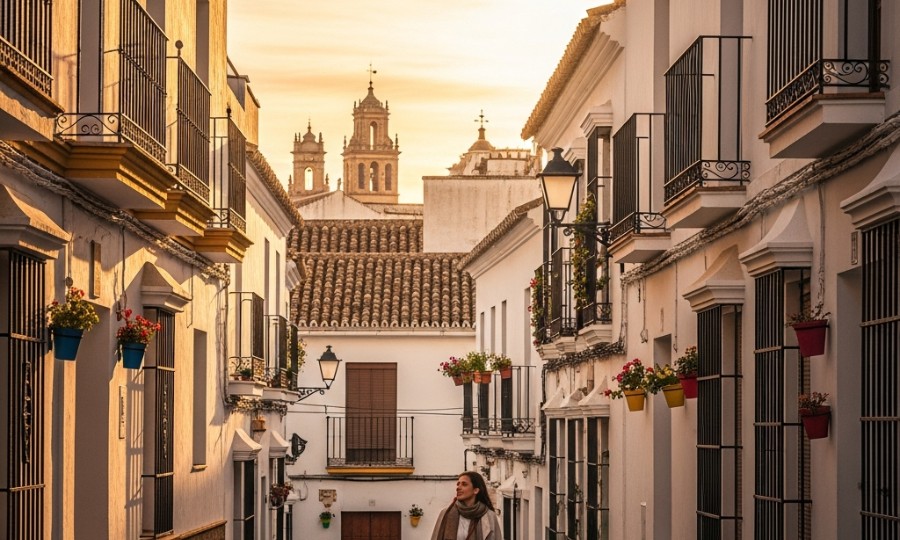
Are you dreaming of escaping the gray skies and biting cold of a typical American winter, but still want to experience rich culture and incredible food? You’re not alone. Many travelers crave something more authentic than just a beach resort, especially during the cooler months. Here’s the thing: while many flock to Europe in the summer, Southern Spain, specifically Andalusia, truly shines in autumn and winter. Imagine strolling through ancient streets, savoring delicious tapas, and soaking up history under comfortably mild skies – sounds pretty good, doesn’t it?
For culture-seeking Americans, November and December in Andalusia offer a unique blend of vibrant traditions, fewer crowds, and a surprisingly pleasant climate. We’re talking about a region that boasts more sunny days than almost anywhere else in Europe, even when the rest of the continent is bundled up. It’s a chance to dive deep into the heart of authentic Spain, experiencing its soul without the sweltering heat and tourist throngs of peak season. You’ll find it’s not just a trip; it’s an immersion.
Andalusia’s Mild Charms: Why Autumn & Winter Win
Let’s be honest, nobody wants to sweat through their sightseeing. Summer in Andalusia can be brutally hot, with temperatures often soaring well into the 90s (30s Celsius). But when fall arrives, things shift beautifully. In November, you’ll typically find average daytime temperatures in Seville and Malaga hovering around the low to mid-60s Fahrenheit (15-18°C). Even in December, you’re usually looking at comfortable high 50s (13-15°C) during the day. Nights get cooler, of course, but a light jacket is often all you need. This mild weather is a game-changer for exploring. You won’t feel rushed, you won’t feel exhausted, and you can truly enjoy those long walks through historic districts.
Beyond the delightful climate, the lack of peak season crowds is a major draw. Think about it: shorter lines (or no lines!) at major attractions like the Alhambra in Granada or Seville’s Alcázar. You’ll find it easier to get into popular tapas bars and experience a more relaxed, local vibe. Plus, accommodation prices often drop outside of the summer rush, giving your travel budget a little more breathing room. Who doesn’t appreciate that?
Seville & Granada: Cultural Jewels Unpacked
First up on our Andalusian adventure, let’s talk about Seville. This city is pure magic, and in autumn or winter, it’s even more enchanting. You can spend hours exploring the Royal Alcázar, a stunning palace with intricate Mudejar architecture and lush gardens. Imagine wandering through its courtyards without jostling for space! The Seville Cathedral and its Giralda bell tower are equally breathtaking, offering panoramic views of the city. In my experience, climbing the Giralda in late fall sunshine is far more enjoyable than in the intense summer heat.
Don’t forget to get lost in the narrow, winding streets of the Santa Cruz quarter, stopping for a glass of sherry and some authentic tapas. You’ll find the city’s famous flamenco shows feel even more intimate and passionate in the cooler evenings. For a truly local feel, cross the Triana Bridge and explore the Triana neighborhood, renowned for its ceramics, market, and lively atmosphere. It’s a wonderful place to simply exist and soak it all in.
Next, let’s journey to Granada, home to the unparalleled Alhambra. This Moorish palace and fortress complex is arguably Spain’s most iconic site, and booking tickets well in advance is absolutely crucial, even in the off-season. Trust me on this; you don’t want to miss it. Exploring its palaces, gardens, and fortress walls against the backdrop of the Sierra Nevada mountains (perhaps even snow-capped in December!) is an unforgettable experience. The cooler temperatures make the extensive walking much more pleasant.
Granada also boasts a fantastic tapas culture where many bars still offer a free tapa with each drink. It’s a delightful culinary tradition! You might wonder, is it really free? Yes, it is! Spend an evening hopping from one bar to another, sampling different local specialties. The Albayzín quarter, with its labyrinthine streets and stunning views of the Alhambra, feels particularly atmospheric in the cooler months. You’ll find cozy nooks and crannies perfect for enjoying a cup of tea or a local wine.
Malaga & the Coast: Sunshine, Art, and Festivities
Malaga, often seen as a gateway to the Costa del Sol, is a vibrant city in its own right, and it truly comes alive in late fall and early winter. While swimming in the Mediterranean might be too chilly for most (though some brave souls do!), the beaches are perfect for long, refreshing walks. The city is Pablo Picasso’s birthplace, and the Picasso Museum Malaga is a must-visit for art lovers. You’ll also find the Roman Theater and the Alcazaba (another impressive Moorish fortress) right in the city center, easily explorable on foot.
What’s more, Malaga really embraces the festive spirit. Its Christmas lights display, usually unveiled in late November, is renowned across Spain and beyond. The main shopping street, Calle Larios, transforms into a dazzling spectacle of lights and music. It’s truly magical and provides a wonderful backdrop for holiday shopping and enjoying churros with chocolate. You might be thinking, “But will it feel like Christmas if it’s not freezing?” The truth is, the festive atmosphere is incredibly strong, perhaps even more enjoyable without needing five layers of clothing!
Beyond the cities, consider day trips to charming white villages (pueblos blancos) like Ronda, perched dramatically on a gorge, or explore the olive groves that stretch across the rolling hills of Jaén province. This is olive oil country, after all! You’ll find local markets bustling with seasonal produce, from pomegranates to sweet chestnuts, offering a real taste of regional life.
Savoring Andalusia: Culinary & Cultural Delights
Andalusia’s culinary scene is a highlight, and in autumn and winter, it feels even more comforting and authentic. Tapas are king, of course, but don’t limit yourself. Try traditional stews like cocido andaluz, hearty oxtail stew (rabo de toro), or fresh seafood along the coast. The region is also famous for its olive oil – often considered among the best in the world – and you’ll find it generously used in almost every dish. What’s not to love about that?
The festive season also brings special treats. Around Christmas, you’ll find bakeries filled with mantecados and polvorones (crumbly shortbread-like cookies) and turrón (nougat). January 6th brings Three Kings Day (Día de Reyes), an even bigger celebration than Christmas in much of Spain, complete with parades and the delicious Roscón de Reyes cake. It’s a fantastic time to witness local traditions firsthand, especially if you have children (or just a sweet tooth!).
For wine enthusiasts, exploring the sherry bodegas in Jerez de la Frontera is a fascinating experience. The region’s unique climate and soil produce some truly exceptional wines, from dry finos to sweet Pedro Ximénez. A guided tour and tasting can be a wonderful way to spend a cooler afternoon, learning about a centuries-old tradition.
Practicalities for Your Andalusian Escape
Planning your trip doesn’t have to be overwhelming. When it comes to packing, think layers. Daytime will likely be mild, but evenings can get chilly, especially inland. A good quality waterproof jacket and comfortable walking shoes are essential. Generally speaking, public transport in Andalusia is excellent, with efficient train connections between major cities and reliable bus services to smaller towns. Renting a car can offer more flexibility, particularly if you plan to explore the white villages.
Remember to book your major attraction tickets (Alhambra, Alcázar, major flamenco shows) online in advance. This isn’t just a suggestion; it’s a necessity to guarantee entry and save precious vacation time. Many official tourism websites for Andalusia and individual cities provide excellent resources for planning your itinerary and finding reputable local guides. You’ll want to check their specific holiday hours too, as some places might have reduced hours around Christmas and New Year’s.
So, are you ready to trade the dreary American winter for the vibrant, sun-drenched charm of Southern Spain? I believe you’ll find that Andalusia in autumn and winter offers an unparalleled blend of cultural depth, culinary delight, and welcoming warmth. It’s an experience that stays with you, long after you’ve returned home.
Why wait? Start planning your Andalusian escape today and discover the magic for yourself. Your authentic Spanish adventure awaits!
Ready to plan your trip?
AIrConxt builds daily trip plans in 2 minutes.
Calculator values are estimates. Always confirm with your airline, hotel, or credit-card provider.
