
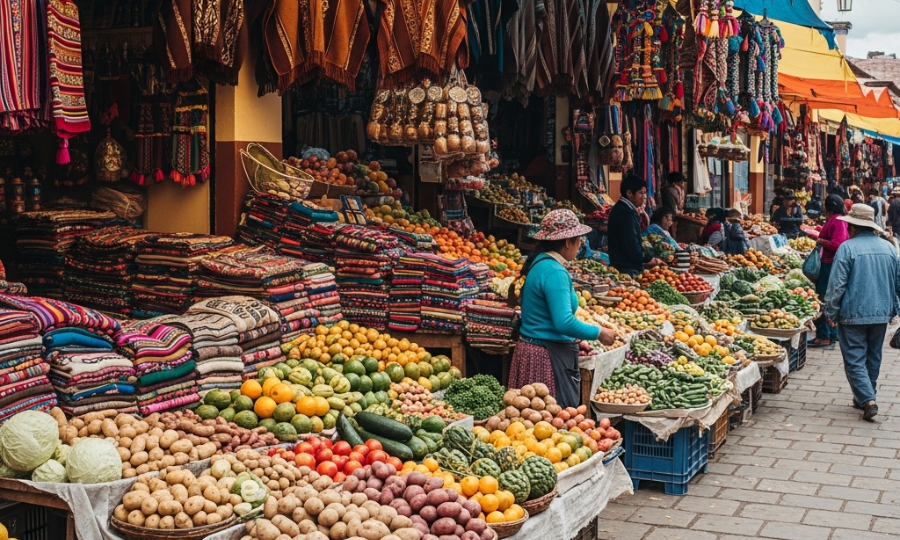
Are you dreaming of an incredible South American adventure but worried about the cost? I totally understand that feeling! Many travelers believe international trips require huge savings. I discovered a secret: you can experience the vibrant cultures and stunning landscapes of Bolivia, Peru, and Ecuador without breaking the bank. These countries offer some of the most budget-friendly travel experiences on the planet. I want to show you exactly how to make your dream trip a reality. By the end of this guide, you will have a clear, actionable plan to explore these breathtaking destinations on a daily budget of $30-$50, covering accommodation, food, and transport.
Key Takeaways
- Travelers can explore Bolivia, Peru, and Ecuador on a budget of $30-$50 per day, covering accommodation, food, and local transport.
- Long-distance buses between major cities often cost $15-$25 for trips up to 10 hours, significantly reducing travel expenses.
- Local market meals or ‘menú del día’ options provide full, delicious meals for an average of $3-$5.
- Hostel dorm beds typically range from $10-$20 per night, offering a social and economical accommodation choice.
What You’ll Need
- Valid Passport & Visa: Check specific entry requirements for your nationality well in advance.
- Travel Insurance: This provides crucial peace of mind for unexpected medical emergencies or trip cancellations.
- Basic Spanish Phrases: A few key phrases will greatly enhance your local interactions.
- Flexible Itinerary: Embrace spontaneity; rigid plans often cost more.
- Budget Tracking App: Monitor your spending daily to stay on track.
- Sturdy Backpack: Pack light and efficiently for easier movement between cities.
Step 1: Strategize Your Route and Budget
Starting your journey with a clear strategy saves money. First, research your desired destinations within Bolivia, Peru, and Ecuador. I recommend choosing 2-3 major hubs per country. Consider the travel time between them. For instance, flying directly into La Paz, Bolivia, then moving to Cusco, Peru, and finally Quito, Ecuador, creates a logical flow. Next, establish a realistic daily budget. I found $30-$50 per day perfectly sufficient for accommodation, food, and local transport. This budget allows for comfortable hostel stays, delicious local meals, and affordable sightseeing. For example, a basic hostel bed often costs $10-$15. A full meal at a local market might only cost $3-$5.
Also, allocate extra funds for major attractions like Machu Picchu or the Uyuni Salt Flats. These iconic sites require specific tours or entry fees. Planning these expenses upfront prevents financial surprises. I always build a small buffer into my budget too. This covers unexpected costs or irresistible souvenir purchases. Knowing your financial limits empowers smart spending decisions throughout your trip.
Pro tip: Use a spreadsheet or a budget app like Trail Wallet to track every single expense. This keeps you accountable and shows exactly where your money goes.
Step 2: Master Affordable Flights and Ground Transport
Transportation can quickly drain your travel funds. Therefore, book international flights into a major hub like Lima (Peru) or Bogotá (Colombia) first. Then, look for separate, budget-friendly regional flights or long-distance buses. I often use Skyscanner or Google Flights to compare prices. Always clear your browser cookies before each search. This can sometimes prevent price hikes. Consider flying into one country and out of another. For example, fly into La Paz and out of Quito. This saves backtracking and extra travel costs.
Plus, embrace long-distance buses for inter-city travel within and between countries. Buses are incredibly affordable. A 10-hour bus ride from La Paz to Uyuni, Bolivia, might cost only $15-$25. Companies like Cruz del Sur in Peru offer comfortable, safe options. Book tickets a day or two in advance, especially during peak season. Local buses and shared taxis (colectivos) provide the cheapest way to navigate cities. I always ask locals for the correct routes. This ensures I get the best price and avoid tourist traps.
Watch out: Overnight buses save on accommodation costs, but always choose reputable companies. Read reviews beforehand to ensure safety and comfort.
Step 3: Secure Budget-Friendly Accommodation
Accommodation represents a significant portion of any travel budget. Fortunately, Bolivia, Peru, and Ecuador boast excellent, affordable options. I consistently choose hostels for their social atmosphere and low prices. Many hostels offer private rooms for a bit more privacy. Expect to pay $10-$20 for a dorm bed and $25-$40 for a private room in a decent hostel. Check reviews on sites like Hostelworld or Booking.com. Look for locations near city centers or public transport. This minimizes local travel costs and saves time.
Alternatively, consider guesthouses (hospedajes or hostales) run by local families. These often provide a more authentic experience. You can frequently negotiate prices for longer stays. I once stayed in a family-run guesthouse in Arequipa, Peru, for just $18 a night. It included breakfast! Airbnb also offers private rooms at competitive rates. Always communicate directly with hosts before booking. This clarifies any doubts and confirms pricing. Prioritize places with good Wi-Fi access. This helps with planning and staying connected.
Pro tip: Many hostels include free breakfast. This significantly reduces your daily food expenses. Always check for this perk!
Step 4: Savor Local Cuisine on a Dime
Eating like a local is not only an authentic experience but also a huge money-saver. Avoid tourist restaurants with English menus. Their prices are often inflated. Instead, seek out local markets (mercados). Here, you find fresh, delicious, and incredibly cheap food. A full meal, including a soup, main course, and drink, often costs $3-$5. I fondly remember a massive lunch in La Paz for just $4. It was one of the best meals of my trip.
Also, look for “menú del día” or “almuerzo” signs. These are set lunch menus offered by small, local restaurants. They provide excellent value. You get multiple courses for a fixed, low price. Street food stalls also offer fantastic, inexpensive snacks. Try empanadas, salchipapas, or choclo con queso (corn with cheese). Be adventurous! However, use common sense regarding hygiene. Choose stalls with high customer turnover. This ensures fresh ingredients. Carrying a reusable water bottle saves money and reduces plastic waste too.
Watch out: While tempting, avoid drinking tap water directly. Stick to bottled water or use a water purification filter/tablets. This prevents stomach issues.
Step 5: Discover Free and Low-Cost Activities
You do not need to spend a fortune to enjoy the rich culture and natural beauty of these countries. Many of the best experiences cost very little or nothing at all. Start with free walking tours. Major cities like Cusco, Quito, and La Paz offer excellent ones. These tours operate on a tip-basis. They provide a fantastic introduction to the city’s history and landmarks. I learned so much about Inca history on a free walking tour in Cusco.
Plus, explore local markets. They are a sensory delight and offer incredible people-watching opportunities. Wander through colonial city centers. Many are UNESCO World Heritage sites. Visit public parks and plazas. Enjoy the vibrant atmosphere. Hiking is another fantastic, free activity. Trekking around Cotopaxi in Ecuador or discovering hidden trails near Cusco costs nothing but your energy. For museums, look for free entry days or student discounts if applicable. Always ask at the entrance. This can save you a few dollars. Embracing these low-cost options allows you to stretch your budget further.
Pro tip: Carry your student ID (if you have one) or an international student card. Many attractions offer discounts for students.
Step 6: Navigate Currency and Payments Smartly
Managing your money efficiently is crucial for budget travel. The official currencies are Bolivian Boliviano (BOB), Peruvian Sol (PEN), and Ecuadorian US Dollar (USD). Ecuador uses the US Dollar, which simplifies transactions there. Always carry small denominations of local currency. Many smaller vendors and markets do not accept large bills. I found it difficult to break a $50 bill for a $3 purchase in a small town. ATMs are readily available in major cities. Withdraw larger amounts less frequently. This minimizes transaction fees. Check with your bank about foreign transaction fees beforehand. Some banks offer fee-free international withdrawals.
Also, avoid changing money at airports. Their exchange rates are usually unfavorable. Look for reputable exchange houses (casas de cambio) in city centers. Compare rates before exchanging. Always count your money carefully. While credit cards are accepted in larger hotels and restaurants, cash remains king for most daily expenses. I always keep emergency cash hidden separately. This provides a safety net. Being prepared with local currency makes your daily transactions smoother and more economical.
Watch out: Inform your bank about your travel dates. This prevents them from flagging your card for suspicious activity and freezing your funds.
Step 7: Prioritize Safety and Health on the Road
Your well-being is paramount, even on a budget. Altitude sickness (soroche) affects many travelers in high-altitude cities like La Paz, Cusco, and Quito. Take it easy for the first few days. Drink plenty of water and coca tea. I learned this the hard way during my first day in Cusco. A headache quickly taught me to slow down. Also, always buy comprehensive travel insurance before you leave. It covers medical emergencies, trip cancellations, and lost luggage. This small upfront cost provides immense protection.
Plus, practice general safety precautions. Keep your valuables secure and out of sight. Use a money belt or a secure cross-body bag. Avoid walking alone at night in unfamiliar areas. Research common scams in each city. For example, fake police officers or staged distractions. I always trust my gut feeling. If a situation feels off, remove yourself from it. Drink only bottled or purified water. Wash your hands frequently. These simple steps significantly reduce health risks. Staying vigilant ensures a smooth and enjoyable journey.
Pro tip: Learn a few emergency Spanish phrases like “Necesito un médico” (I need a doctor) or “Ayuda!” (Help!). These can be life-savers.
Step 8: Embrace Flexibility and Local Culture
The most rewarding budget travel experiences often come from embracing the unexpected. While planning is crucial, maintaining flexibility allows you to seize spontaneous opportunities. I once changed my bus ticket last minute to join a local festival. It was an unforgettable experience! Learn a few basic phrases in Spanish. Locals truly appreciate the effort. A simple “Hola” or “Gracias” goes a long way. Engage with locals. Ask for recommendations for food or sights. They often know the best, cheapest, and most authentic spots.
Also, be open to trying new things. Sample unfamiliar foods. Participate in local traditions. This enriches your travel experience far more than any expensive tour. Respect local customs and traditions. Dress modestly when visiting religious sites. Always ask permission before taking photos of people. Showing respect fosters positive interactions. Remember, these countries offer incredible value, not just in terms of cost, but in cultural immersion. Your willingness to adapt and connect will unlock the true magic of South America.
Pro tip: Carry small gifts like postcards from your home country. Offering them to locals who help you creates a wonderful connection.
You now have a comprehensive guide to exploring the incredible, budget-friendly destinations of Bolivia, Peru, and Ecuador. I shared my personal strategies for saving money on flights, accommodation, food, and activities. Remember to strategically plan your route, leverage affordable transport, and embrace local markets for delicious meals. You can absolutely achieve your dream South American adventure on a daily budget of $30-$50. These vibrant countries await your discovery.
Next Steps for Your Adventure
1. Research Visa Requirements: Confirm entry regulations for Bolivia, Peru, and Ecuador based on your nationality. This is your first critical step.
2. Book Your Main Flight: Secure your international flight into a major South American hub. Early booking often yields better prices.
3. Start Learning Spanish: Even a few key phrases will enhance your experience immensely. Download a language app today!
4. Get Travel Insurance: Protect your investment and your well-being. This provides essential peace of mind.
Related Reading
Frequently Asked Questions
Do I need a visa to visit Bolivia, Peru, or Ecuador from the US?
US citizens generally do not require a visa for tourist stays up to 90 days in Peru and Ecuador. For Bolivia, a visa is required and can often be obtained upon arrival or in advance, costing around $160.
What is the average daily cost for a budget traveler in these countries?
A budget traveler can comfortably explore Bolivia, Peru, and Ecuador on $30-$50 per day. This amount covers hostel accommodation, local meals, and inter-city bus transport.
How can I avoid altitude sickness in cities like Cusco or La Paz?
To prevent altitude sickness, arrive well-rested, hydrate consistently, and avoid strenuous activity for your first 24-48 hours. Coca tea can also help alleviate symptoms.
This article was drafted with AI assistance. Please verify all claims and information for accuracy. The content is for informational purposes only and does not constitute professional advice.
Ready to plan your trip?
AIrConxt builds daily trip plans in 2 minutes.
Calculator values are estimates. Always confirm with your airline, hotel, or credit-card provider.
