
When you’re planning a trip, whether it’s for a much-needed vacation or a critical business meeting, you’re probably thinking about your destination, your itinerary, and maybe even what you’ll pack. You’re not usually thinking about the unseen heroes and heroines who ensure your journey is safe and smooth, are you? Yet, beneath the surface of every take-off and landing, every security check and gate announcement, lies a complex, human-driven system that, during a government shutdown, can be stretched to its absolute limits. We’re talking about our dedicated air traffic controllers and TSA agents, individuals whose critical roles often go unacknowledged until something goes awry.
For American travelers, the prospect of a prolonged government shutdown isn’t just a political talking point; it’s a very real concern that directly impacts the safety and efficiency of our nation’s air travel system. Here’s the thing: these aren’t just government employees; they’re your neighbors, friends, and family, often working without pay, facing immense financial and emotional strain. It’s a situation that truly tests the resilience of our infrastructure and, more importantly, the people who keep it running. Let’s explore the profound human cost of this pressure and what it might mean for you.
The Unseen Guardians: Air Traffic Control Under Pressure
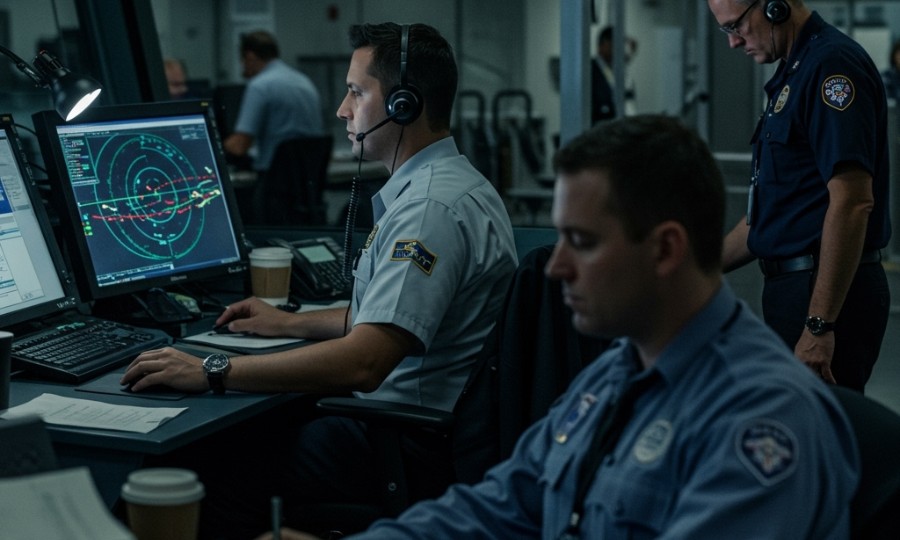
Imagine a job where a single misstep could have catastrophic consequences, where you’re responsible for the lives of hundreds of people every minute of every shift. That’s the daily reality for air traffic controllers. These highly trained professionals guide aircraft through complex airspace, managing take-offs, landings, and everything in between, often in a high-stress, fast-paced environment. Their work demands unwavering focus, precision, and split-second decision-making. Can you truly grasp the mental fortitude required?
During a government shutdown, these essential personnel are deemed ‘critical’ and are mandated to work without pay. Think about that for a moment. They’re showing up, performing their incredibly demanding duties, all while their own bills pile up, their families worry, and their financial futures hang in the balance. This isn’t just inconvenient; it’s a significant psychological burden. The National Air Traffic Controllers Association (NATCA), a professional organization representing these vital workers, has repeatedly highlighted the severe fatigue and stress their members experience during such periods. They’re working mandatory overtime, often on short notice, to cover staffing gaps that already existed before any shutdown. It’s a recipe for burnout, and frankly, it’s unsustainable.
In my experience, when people are under extreme financial duress, their ability to perform optimally can be compromised, even for the most dedicated professionals. We’re talking about a system where even a fraction of a second’s delay in response or a momentary lapse in concentration can have severe repercussions. It’s not a question of their dedication; it’s a question of basic human endurance and the psychological toll of working without compensation for an indefinite period. We rely on these individuals implicitly, and we owe it to them, and ourselves, to understand the weight they carry.
Beyond the Tower: The Strain on TSA and Airport Operations
While air traffic controllers are managing the skies, another crucial group of federal employees is ensuring security on the ground: Transportation Security Administration (TSA) agents. These are the men and women you encounter at security checkpoints, often the first and last federal employees you see during your airport journey. Their job, too, is critical to national security, requiring vigilance, attention to detail, and the ability to handle stressful situations and sometimes, frustrated travelers.
Like air traffic controllers, TSA agents are also considered essential personnel and must report to work without pay during a shutdown. The impact here is equally profound. Reports from major airports during previous shutdowns have shown increased absenteeism among TSA staff, leading to longer security lines and, in some cases, even temporary closures of checkpoints. You might be thinking this won’t work because airports can just hire more staff, but that’s not how it functions when federal employees are involved. The existing workforce is stretched thin, and the morale takes a significant hit. (After all, who wouldn’t feel undervalued working without pay?)
The American Federation of Government Employees (AFGE), which represents many TSA officers, has consistently voiced concerns about the cumulative effect of working without pay on their members’ well-being and, by extension, on airport security. It’s not just about the wait times; it’s about the potential for gaps in security, or agents, distracted by personal financial crises, missing something vital. While the vast majority remain professional and dedicated, the system itself is placed under an unnecessary and dangerous strain. This isn’t just an inconvenience for travelers; it’s a potential vulnerability that our robust security protocols are designed to prevent.
The Ripple Effect: Safety Implications for American Air Travel
So, what does all this mean for the safety of American air travel? This is the critical question, and frankly, it’s one that keeps industry experts and government officials awake at night. The Federal Aviation Administration (FAA) maintains that the air traffic control system remains safe during a shutdown, and generally speaking, they’re right to emphasize that safety is always the top priority. However, the cumulative effects of prolonged stress and fatigue on the human operators are undeniable and concerning.
When controllers are working mandatory overtime, potentially for weeks or months without a paycheck, their cognitive function can degrade. Reaction times might slow, attention to detail could waver, and the risk of human error, while still statistically low, inherently increases. The National Transportation Safety Board (NTSB) consistently highlights human factors as a significant contributor to aviation incidents. Are we truly comfortable with the margins for error shrinking, even incrementally, when lives are at stake? It’s a serious consideration that moves beyond simple statistics.
Also, training for new controllers and essential maintenance programs can be delayed or halted during a shutdown, creating a backlog that impacts future system capacity and safety. This isn’t an immediate crisis, but it’s a slow erosion of the very foundations that ensure our air travel system remains robust and safe for decades to come. We know this feels overwhelming to think about, but understanding these complexities is crucial for a truly professional and engaging discussion about our infrastructure.
What Does This Mean for Your Next Flight?
While serious aviation incidents are thankfully rare, the direct impact on your travel experience during a shutdown is usually more immediate and tangible. You’ll likely encounter longer lines at security checkpoints, potentially leading to missed connections or delayed flights. Airlines, in turn, may experience their own operational challenges, leading to increased cancellations or adjustments to flight schedules to account for reduced ATC staffing or longer processing times.
You might wonder if you should simply avoid air travel during these times. The truth is, that’s a personal decision, and the vast majority of flights will operate safely. However, it’s prudent to be prepared for potential disruptions. Check with your airline frequently for updates, arrive at the airport earlier than usual, and maintain a level of patience and understanding for the airport staff who are often doing their best under incredibly challenging circumstances. They’re often as frustrated as you are, if not more so, given their personal situations.
The human cost of a government shutdown on our air travel system is immense, affecting the dedicated professionals who ensure our safety and, by extension, every traveler in the United States. It’s a stark reminder that behind every seamless travel experience are countless individuals whose well-being is directly tied to the stability of our government. Recognizing their invaluable service and the undue pressure they face is perhaps the most important takeaway from this discussion.
Ready to plan your trip?
AIrConxt builds daily trip plans in 2 minutes.
Calculator values are estimates. Always confirm with your airline, hotel, or credit-card provider.
