
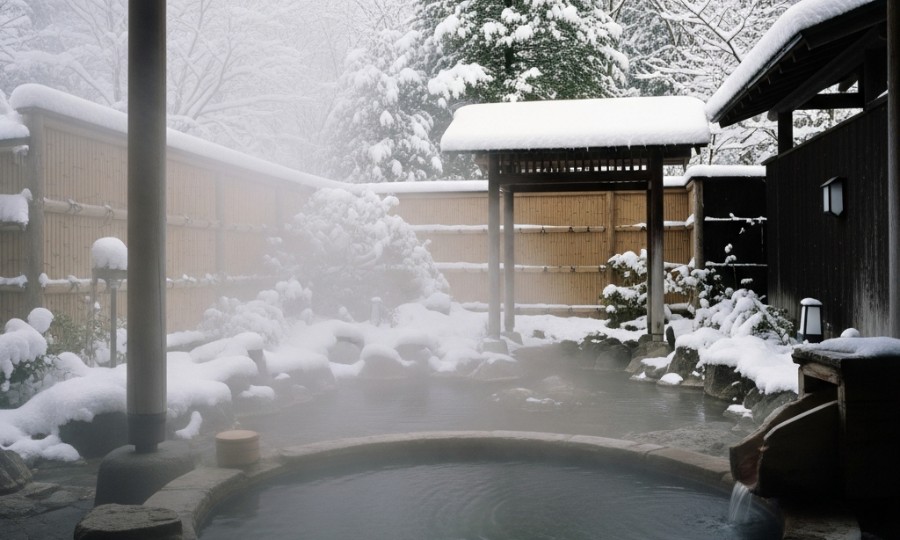
Are you dreaming of an escape that truly melts away the stresses of daily life, leaving you utterly refreshed? We know that feeling of needing a genuine reset, far from the everyday grind. For many, that ultimate sanctuary isn’t a bustling city break or a crowded beach; it’s the serene embrace of a traditional Japanese onsen, especially when nestled amidst a picturesque winter wonderland. Imagine soaking in naturally heated mineral-rich waters, steam rising around you, as soft snowflakes gently fall and blanket the landscape. It’s an experience that really transcends a simple bath; it’s a profound cultural immersion and a pathway to deep rejuvenation.
Japan’s hot springs, known as onsens, are an integral part of the country’s culture and a testament to its volcanic activity. While you can enjoy an onsen year-round, there’s something uniquely magical about visiting during the colder months. The contrast of the warm water against the crisp, cool air, often with stunning snowy vistas, creates an unforgettable atmosphere. It’s truly a sensory delight that invigorates the body and calms the mind. We’re talking about the kind of relaxation that stays with you long after you’ve dried off.
Discovering the Enchantment of Snowy Rotenburo
When we talk about onsens, we’re often picturing the rotenburo – the outdoor baths. These are, in my opinion, where the real magic happens, particularly in winter. Why? Because there’s nothing quite like feeling the warmth of the spring water envelop you while you gaze out at a pristine, snow-covered landscape. It’s an almost spiritual connection with nature, isn’t it? The air might be chilly, but the water’s embrace is wonderfully soothing. This isn’t just about getting warm; it’s about finding harmony in contrasting elements. And for American travelers, it’s an incredibly unique cultural experience that you just can’t replicate at home.
The mineral composition of onsen waters varies from region to region, each offering distinct therapeutic benefits. Some are sulfuric, known for their skin-softening properties, while others are rich in iron, believed to aid circulation. Many Japanese believe that regular onsen visits can alleviate various ailments, from muscle pain to skin conditions. While we can’t make medical claims, the feeling of well-being after a good soak is undeniable. It’s a holistic approach to relaxation, nurturing both body and soul. Plus, let’s be honest, who doesn’t love a good soak after a day of exploring?
Ginzan Onsen: A Step Back in Time
If you’re looking for that quintessential snowy onsen village, Ginzan Onsen in Yamagata Prefecture should be at the very top of your list. This incredibly picturesque town feels like it’s been plucked straight from a Miyazaki film, especially after dark. Traditional wooden ryokans (Japanese inns) line a narrow river, illuminated by gas lamps that cast a warm, nostalgic glow on the snow-laden streets. It’s an utterly breathtaking sight, truly. You’ll find yourself wandering the cobblestone streets, perhaps wrapped in a yukata (a casual kimono often provided by your ryokan), feeling as if you’ve traveled back to the Taisho era (1912-1926). It’s a remarkably romantic and tranquil setting.
Staying at one of the ryokans in Ginzan Onsen is an experience in itself. Most offer exquisite multi-course kaiseki dinners featuring local seasonal ingredients, and, of course, access to their own private or communal onsens. Some even have charming rotenburo overlooking the river or tucked away in a snowy garden. A popular public bath, Shirogane-yu, also offers a taste of the onsen experience without an overnight stay, though you’ll want to check its operating hours. Here’s the thing about Ginzan: it’s not just a place to bathe; it’s a destination where every moment feels like a carefully crafted memory.
Noboribetsu Onsen: Hokkaido‘s Volcanic Wonderland
Heading north to Hokkaido, you’ll discover Noboribetsu Onsen, one of Japan’s most famous hot spring towns, renowned for its diverse and potent waters. Often called ‘Hell Valley’ (Jigokudani) due to its dramatic volcanic landscape of steaming vents, sulfurous streams, and bubbling mud pools, Noboribetsu offers a different kind of onsen experience. It’s raw, powerful, and incredibly impressive. You’ll be able to hike through this otherworldly terrain, witnessing the geothermal activity firsthand, before retreating to the soothing warmth of an onsen.
What makes Noboribetsu unique is the sheer variety of its spring waters. You can find waters rich in sulfur, hydrogen sulfide, iron, and even radium, each with its own distinct color and purported benefits. Many of the large ryokans and hotels here feature multiple baths, allowing you to try different types. Imagine soaking in a milky sulfur bath that feels incredible on your skin, then moving to a clear, iron-rich pool, all while admiring the snow-covered mountains surrounding you. It’s a truly immersive experience that engages all your senses. You might be thinking, “Isn’t Hokkaido really cold?” Yes, but that just makes the onsen even more inviting, trust me!
Hakone: Serenity with Iconic Views Near Tokyo
If you’re looking for an accessible onsen escape that doesn’t require a long journey from Tokyo, Hakone is your answer. Located in the Fuji-Hakone-Izu National Park, Hakone offers a stunning blend of natural beauty, art, and, of course, fantastic hot springs. While it might not always have the deep snows of Ginzan or Noboribetsu, winter in Hakone still brings a crisp beauty and, on clear days, unparalleled views of Mount Fuji. Can you imagine anything more iconic than soaking in a rotenburo with Japan’s most famous peak as your backdrop? It’s truly a postcard-perfect moment.
Hakone boasts numerous ryokans and hotels, many with private onsens or impressive communal baths offering those coveted Fuji views. Beyond the baths, you can explore the Hakone Open-Air Museum, take a scenic cruise on Lake Ashi, or ride the Hakone Ropeway for panoramic vistas. The area’s volcanic activity ensures a steady supply of mineral-rich waters, with different springs offering various therapeutic qualities. It’s a perfect blend of relaxation and cultural exploration, making it an ideal choice for first-time visitors to Japan or those with limited time. You’ll find excellent rail connections from Tokyo, making it incredibly convenient for a weekend getaway or even a day trip. Plus, the food in Hakone is just divine!
Planning Your Serene Onsen Escape: Essential Tips
Ready to plan your own serene onsen escape? Here are a few practical tips to ensure a smooth and enjoyable trip. First, booking your ryokan well in advance, especially for popular snowy destinations like Ginzan Onsen, is crucial. These charming inns often have limited rooms, and they fill up quickly, particularly during peak winter months. Don’t leave it to the last minute!
Second, familiarize yourself with onsen etiquette. Generally, you’ll need to bathe thoroughly before entering the onsen. Tattoos, while traditionally frowned upon, are becoming more accepted, especially in larger, more tourist-friendly establishments; however, it’s always wise to check a specific ryokan’s policy beforehand. Many simply ask you to cover them with a waterproof patch. And remember, the goal is relaxation, so take your time, respect the tranquility, and just let yourself unwind. Finally, consider purchasing a Japan Rail Pass if you plan to visit multiple regions, as it can be a cost-effective way to travel. We believe these experiences offer not just a vacation, but a true reset, and you absolutely deserve that kind of rejuvenation.
Ready to plan your trip?
AIrConxt builds daily trip plans in 2 minutes.
Calculator values are estimates. Always confirm with your airline, hotel, or credit-card provider.
