
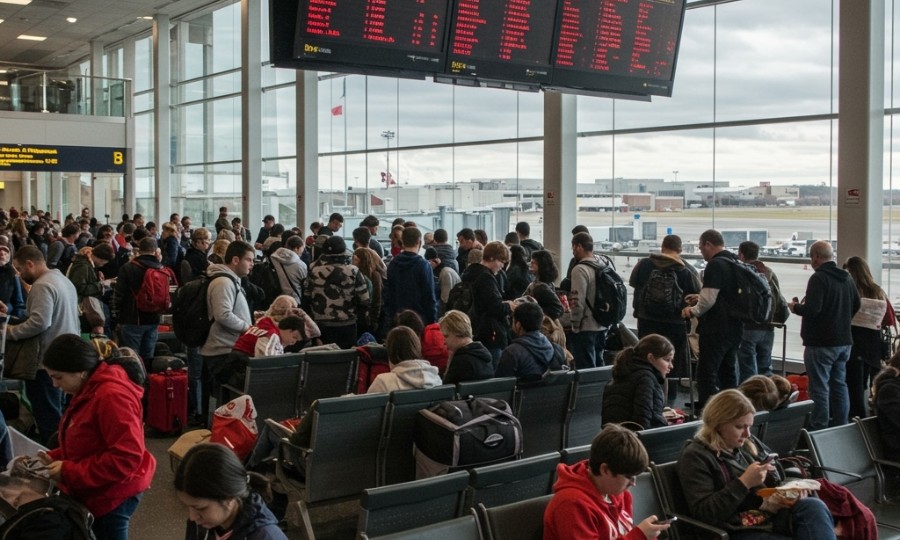
Planning your Thanksgiving travel can feel like a high-stakes game of Tetris, especially with recent headlines about air traffic control (ATC) staffing shortages and potential flight reductions from the Federal Aviation Administration (FAA). We get it; the thought of delays or cancellations disrupting your holiday plans is enough to make anyone a bit anxious. But what do these announcements really mean for your journey, and more importantly, what are your rights if your travel plans hit a snag?
Let’s dive into the current landscape, because understanding the situation is your first step to navigating it successfully. The FAA has, indeed, been working to address a nationwide shortage of air traffic controllers, a challenge that predates the pandemic but was exacerbated by it. While they’re actively recruiting and training new controllers, the reality is that certain airports and airspaces, particularly in busy hubs like New York (New York Terminal Radar Approach Control, or TRACON), have faced operational limitations. This isn’t just a hypothetical; the FAA has previously advised airlines on strategies to reduce congestion in these areas, which can sometimes mean fewer flights scheduled during peak times. It’s a proactive measure designed to maintain safety and efficiency, but it undeniably impacts travelers.
What FAA Reductions Mean for Your Flight
You might be wondering, “Will my flight be affected?” The truth is, while airlines strive to minimize disruption, these operational adjustments can lead to ripple effects. We’re talking about potential delays, reroutes, and yes, even cancellations. For instance, if a major ATC center is understaffed, the FAA might need to slow down the flow of air traffic in that region. This isn’t about arbitrary decisions; it’s about ensuring the safety of every plane in the sky. Airlines then have to adapt, sometimes by holding planes at their origin airport (known as a “ground delay program”) or canceling flights to avoid further congestion. This is particularly relevant around major holidays like Thanksgiving, when air travel demand surges, putting extra pressure on the system.
Consider a scenario: You’ve booked your ticket from Chicago to New York for the Wednesday before Thanksgiving. A week out, you get an email: your flight has been canceled due to “ATC staffing limitations” at JFK. This isn’t just an inconvenience; it’s a major disruption. What do you do? This is where knowing your traveler rights, specifically those outlined by the U.S. Department of Transportation (DOT), becomes absolutely critical. They’re your safety net in what can feel like a very frustrating situation.
Your Essential Traveler Rights During Flight Disruptions
Here’s the thing: when an airline cancels or significantly delays your flight, especially due to circumstances within their control or even unavoidable ones like these FAA-driven operational adjustments, you aren’t left entirely without options. The DOT provides robust protections for consumers, and understanding them can save you stress and money.
1. Cancellations: If your flight is canceled, you generally have two main choices. First, the airline must offer you a full refund, even if you bought a non-refundable ticket. This isn’t a voucher; it’s your money back to your original form of payment. Second, they must rebook you on the next available flight to your destination at no additional charge. This might be on their own airline or, in some cases, a partner airline. Don’t feel pressured to accept a voucher if you prefer a refund!
2. Significant Delays: What constitutes a “significant delay”? While the DOT doesn’t have a universal definition, many major airlines consider delays of 3 hours or more for domestic flights (and often more for international) as significant enough to trigger certain responsibilities. If your flight is significantly delayed, the airline is generally expected to provide amenities like meals, hotel accommodation (if an overnight stay is required and the delay is their fault), and transportation to and from the hotel. If you decide not to travel because of a significant delay, you are entitled to a refund for the unused portion of your ticket.
3. Denied Boarding (Bumping): This happens when there are more passengers with confirmed tickets than available seats. Airlines must first ask for volunteers. If not enough volunteers come forward, and you are involuntarily bumped, you are entitled to compensation. For domestic flights, this can be up to 400% of your one-way fare, capped at a certain amount (currently $1,550), depending on how long you’re delayed reaching your destination. Always know your rights before accepting a paltry voucher!
In my experience, being polite but firm, and having a clear understanding of these DOT regulations, makes all the difference when dealing with airline customer service. You can find detailed information directly on the DOT’s Aviation Consumer Protection site; it’s a goldmine of official advice.
Proactive Steps for a Smoother Holiday Journey
While you can’t control ATC staffing, you can definitely control your preparedness. Here are some strategies to help you navigate potential disruptions:
- Book Smart: Consider booking direct flights whenever possible, as layovers increase your risk of being affected by delays. Also, flying earlier in the day often means fewer accumulated delays.
- Monitor Your Flight: Download your airline’s app and enable notifications. Check your flight status frequently, starting a few days before departure. Many apps will alert you to changes before the general public knows.
- Understand Travel Insurance: A robust travel insurance policy can be a lifesaver, especially if you’ve invested heavily in your trip. Look for “cancel for any reason” policies or those that specifically cover travel delays and interruptions. Just be sure to read the fine print!
- Pack Essentials: Always carry essential medications, a change of clothes, and important documents in your carry-on, just in case your checked luggage is delayed.
- Direct Bookings: While third-party sites offer deals, booking directly with the airline can sometimes make rebooking or refunds smoother if issues arise.
Remember that Thanksgiving week is one of the busiest travel periods of the year. Airlines are often operating at near-full capacity, which means less flexibility when things go wrong. Being prepared isn’t just about packing your bags; it’s about packing your knowledge, too!
When Things Go Wrong: Your Action Plan
So, you’re at the airport, and your flight is delayed or canceled. What’s next? Don’t panic; you’ve got this. First, check your airline’s app for rebooking options. Often, you can rebook yourself directly from your phone. If that doesn’t work, head to the customer service desk, but also try calling the airline’s customer service line simultaneously – sometimes the phone queue is shorter. Another pro tip? Try tweeting at the airline; their social media teams can sometimes be surprisingly responsive.
If you’re facing a significant delay or cancellation, firmly but politely inquire about your rights: “Can you confirm my options for a full refund as per DOT regulations?” or “What are my rebooking options on an alternative carrier to get me to my destination today?” You’re not asking for a favor; you’re asserting your rights. Keep a record of all interactions, including names of representatives and times of calls. This documentation can be invaluable if you need to file a complaint later with the DOT.
Navigating holiday travel, especially with external factors like FAA operational adjustments, can feel overwhelming. But by staying informed about the situation and, critically, understanding your rights as a passenger, you empower yourself to handle whatever comes your way. We’re confident you can make your Thanksgiving travel as smooth (or at least, less stressful) as possible. Safe travels!
Ready to plan your trip?
AIrConxt builds daily trip plans in 2 minutes.
Calculator values are estimates. Always confirm with your airline, hotel, or credit-card provider.
