
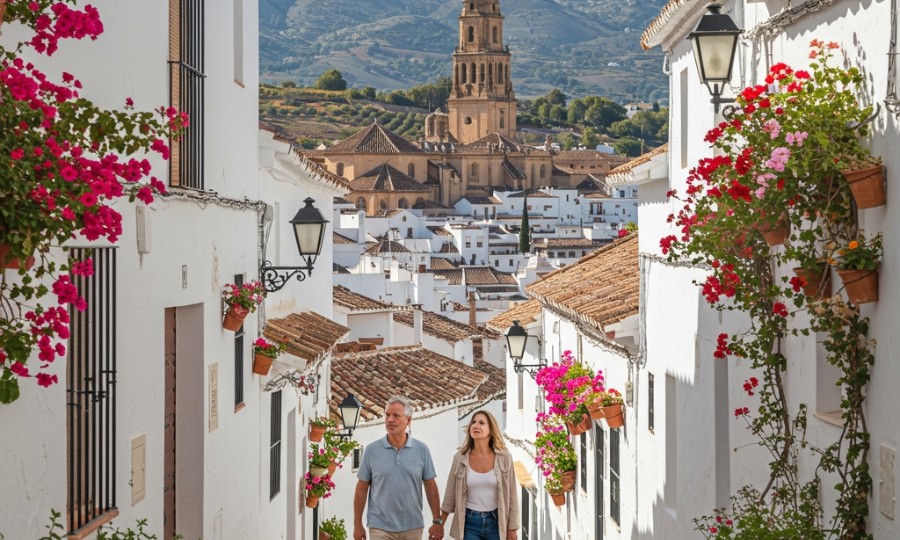
When you picture the Costa del Sol, what usually comes to mind? Sun-drenched beaches, lively promenades, and perhaps a refreshing dip in the Mediterranean, right? While those images certainly capture a wonderful part of its appeal, they only tell half the story. What if we told you there’s an entirely different, equally captivating side to this renowned Spanish region, one rich with ancient history, vibrant traditions, and authentic Andalusian charm, just waiting for you to discover?
For many American travelers, the Costa del Sol is a gateway, often a quick stop before heading elsewhere. But you’d be missing out on something truly special if you didn’t venture beyond the coastline. We’re talking about a journey into the heart of Andalusia, where whitewashed villages cling to dramatic hillsides, ancient fortresses whisper tales of empires, and every corner offers a taste of Spain’s profound cultural heritage. Ready to trade your beach towel for a deeper dive? Let’s explore how a 7-day cultural immersion can completely transform your perception of the Costa del Sol.
Unveiling Malaga’s Ancient Heart: A Journey Through Time
Malaga, often seen merely as an airport hub, is, in fact, one of Spain’s oldest cities and a cultural powerhouse. It’s a place where Phoenician, Roman, and Moorish influences are visibly layered, offering a fascinating historical narrative. Think you know Malaga? You might be surprised!
Here’s the thing: you can’t truly understand the Costa del Sol’s heritage without spending significant time in its capital. Your first stop should undoubtedly be the Alcazaba, a stunning Moorish fortress-palace that dominates the city’s skyline. As you wander through its intricate courtyards, fragrant gardens, and defensive walls, you’ll feel transported back to the 11th century. What’s particularly engaging is its proximity to the Roman Theater, discovered only in 1951, offering a rare glimpse into two millennia of history standing side-by-side. It’s a powerful visual, showcasing how civilizations built upon (sometimes literally!) the foundations of those that came before.
Just a short stroll away, you’ll find the majestic Malaga Cathedral, affectionately known as ‘La Manquita’ (the one-armed lady) because one of its towers remains unfinished. Its sheer scale and Baroque grandeur are breathtaking, a testament to Spain’s Golden Age. And, of course, Malaga is the birthplace of Pablo Picasso. The Picasso Museum, housed in a beautiful Renaissance palace, offers an intimate look at the artist’s early works and his deep connection to his hometown. You don’t have to be an art history buff to appreciate the journey through his evolving genius; it’s genuinely captivating. Trust us, Malaga is far more than just a place to land; it’s a destination in its own right for history and art lovers.
The Pueblos Blancos: Andalusia’s White-Washed Wonders
Beyond Malaga’s bustling city limits, the landscape dramatically shifts, revealing the iconic ‘Pueblos Blancos’ – the white villages. These enchanting settlements, nestled in the hills and mountains, are quintessential Andalusia, offering a tranquil escape and a deep dive into traditional Spanish life. You might wonder, aren’t they all the same? Absolutely not!
Each village has its own unique character, its own story. Take Mijas Pueblo, for example. Perched high above the coast, it’s easily accessible and offers breathtaking panoramic views of the Mediterranean. Its narrow, winding streets, adorned with vibrant geraniums, are perfect for a leisurely stroll. You’ll find artisan shops selling ceramics, leather goods, and local produce, making it a great spot for unique souvenirs. Then there’s Frigiliana, often lauded as one of Andalusia’s most beautiful villages. Its immaculately preserved Moorish old quarter, with its labyrinthine alleys and flower-filled patios, feels like stepping into a postcard. It’s truly a photographer’s dream, and the air just feels different here – calmer, slower.
For something truly dramatic, a day trip to Ronda is essential. This historic town is famous for its Puente Nuevo bridge, which spans a terrifying gorge connecting the old and new towns. The views are utterly spectacular, and the town itself boasts Spain’s oldest bullring, a fascinating piece of cultural history. Exploring these white villages isn’t just about sightseeing; it’s about experiencing a slower pace of life, enjoying authentic local cuisine, and connecting with the enduring spirit of Andalusia. You’ll find yourself wondering why you didn’t discover these gems sooner.
Savoring Andalusian Flavors: A Culinary Deep Dive
Let’s be honest, food is a massive part of any travel experience, and the Costa del Sol is no exception. While you’ll certainly enjoy the ubiquitous tapas, a true cultural exploration involves going deeper into the region’s specific culinary traditions. What does authentic Andalusian cuisine really taste like?
First, you absolutely must try espetos in Malaga. These are sardines grilled on skewers over an open wood fire, typically on the beach. It’s a simple dish, but the smoky flavor and freshness are unparalleled. Pair it with a crisp local white wine, and you’ve got a truly iconic experience. But the culinary journey doesn’t stop at seafood. Andalusia is the world’s largest producer of olive oil, and a visit to an olive mill (an almazara) is incredibly insightful. Many offer tours and tastings, allowing you to appreciate the nuanced flavors of different olive varieties. It’s an education for your palate, and a fantastic way to understand the region’s agricultural backbone.
Don’t forget the wine! While Rioja often gets all the glory, Andalusia produces some incredible wines, particularly around Ronda. These high-altitude vineyards produce robust reds and elegant whites that are gaining international recognition. Seeking out a local bodega for a tasting can be a delightful deviation from the usual tourist path. And, of course, the cured meats and cheeses are divine. In most cases, finding a small, family-run restaurant (a ‘venta’ in the countryside) will offer the most authentic and delicious culinary experiences. They’re often hidden gems, serving dishes passed down through generations. You’ll leave feeling completely satisfied and with a true taste of the region.
Connecting with Local Traditions: Festivals and Flamenco
Beyond the food and the historical sites, the real pulse of Andalusian culture beats in its traditions and its people. For a genuine connection, you’ll want to seek out experiences that showcase the region’s lively spirit.
Flamenco, of course, is synonymous with Andalusia, but not all flamenco shows are created equal. To truly appreciate this passionate art form, try to find a smaller, more intimate ‘tablao’ or a local bar where you can witness the raw emotion and improvisation that are its hallmarks. It’s not just a performance; it’s a living, breathing expression of the Andalusian soul, and you’ll feel it in your bones. We’re not talking about a dinner show for tourists; we’re talking about a genuine, unvarnished display of artistry.
If your 7-day trip happens to coincide with a local festival (a ‘feria’), you’re in for an unforgettable treat. These vibrant celebrations, often dedicated to a patron saint or a harvest, are an explosion of color, music, and dance. People dress in traditional Andalusian attire, horses parade through the streets, and the air is thick with the scent of jasmine and fried dough. It’s a wonderful opportunity to see the community come alive and to truly immerse yourself in local customs. Even without a major festival, simply spending time in the village squares during the evening ‘paseo’ (evening stroll) allows you to observe daily life and feel part of the community. It’s these moments, often unplanned, that truly define an authentic travel experience.
Crafting Your 7-Day Cultural Itinerary: Practical Tips
So, how do you weave all these incredible experiences into a cohesive 7-day Costa del Sol cultural itinerary? It’s easier than you might think, especially with a bit of planning. You might be thinking that navigating without a car is impossible, but public transport and guided tours can actually be quite efficient.
For your first few days, base yourself in Malaga. This allows you ample time to explore the city’s historical sites, museums, and culinary scene. We recommend dedicating at least two full days here. From Malaga, you can easily take a bus or join a tour to Mijas Pueblo, making it a convenient half-day or full-day excursion. For Frigiliana, you might consider renting a car for a day or utilizing public transport to Nerja, then a local bus to Frigiliana; it offers more flexibility to explore at your own pace. A day trip to Ronda is also manageable by bus from Malaga, though a rental car gives you the freedom to explore the scenic route and stop at other smaller villages along the way.
Don’t try to see everything; that’s a common mistake! Instead, focus on depth over breadth. Choose 2-3 main areas and truly savor them. Allow for spontaneity, too. Sometimes the best discoveries happen when you simply wander down an inviting alley or strike up a conversation with a local. Generally speaking, booking accommodations in advance, especially during peak season, is a smart move. And while many people speak English in tourist areas, learning a few basic Spanish phrases will go a long way in enriching your interactions. You’ll find that locals truly appreciate the effort.
The Costa del Sol offers so much more than its beautiful coastline. It’s a vibrant tapestry of history, art, and tradition, just waiting for the curious traveler to unravel its threads. By venturing beyond the familiar, you won’t just see a destination; you’ll experience a culture, make genuine connections, and create memories that truly last a lifetime. Isn’t it time you discovered the real Andalusia?
Ready to plan your trip?
AIrConxt builds daily trip plans in 2 minutes.
Calculator values are estimates. Always confirm with your airline, hotel, or credit-card provider.
