
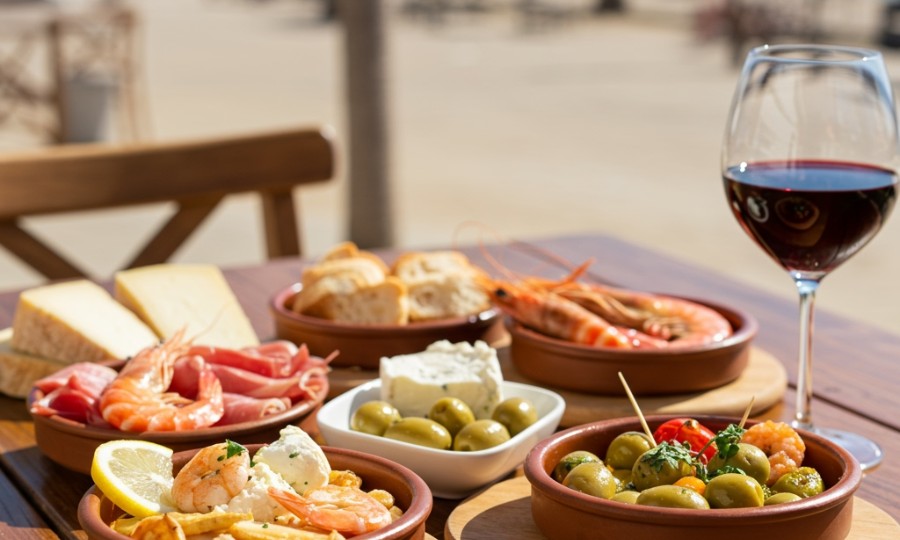
Imagine the warm Spanish sun on your face, the gentle murmur of conversation filling the air, and the irresistible aroma of sizzling garlic and fresh seafood wafting from a nearby kitchen. Sound like a dream? It’s the everyday reality of a gastronomic journey through the Costa del Sol, particularly in Malaga and the wider Andalusian region. This isn’t just about eating; it’s about immersing yourself in a culture where food is life, celebration, and connection. We’re talking about an experience that tantalizes every one of your senses, leaving you with memories as rich and vibrant as the dishes themselves. Ready to taste the heart of Spain? You’ll be surprised by how much more there is to explore beyond the beautiful beaches.
The Vibrant Heartbeat: Malaga’s Tapas Culture
When you think of Spanish food, tapas almost certainly come to mind, right? In Malaga, tapas aren’t just small plates; they’re a way of life, a social ritual that defines the city’s pulse. Picture this: you’re hopping from one bustling bar to another, sharing bites with friends, each stop offering a new flavor revelation. It’s an incredibly engaging way to experience local cuisine, letting you sample a huge variety without committing to a single large dish. But how do you navigate the endless options and find those truly authentic spots? The trick is to look for places packed with locals, especially those standing at the bar – that’s usually a great sign of quality and tradition.
Take, for instance, espetos de sardinas, fresh sardines skewered and grilled over an open wood fire right on the beach. You can’t visit Malaga without trying them; they’re an institution! Then there’s gambas al pil-pil, sizzling garlic shrimp that arrive at your table still bubbling, or the classic boquerones fritos, crispy fried anchovies that are surprisingly addictive (don’t knock ’em till you try ’em!). For a true immersion, consider wandering through the historic center, perhaps starting near the Cathedral and letting your senses guide you down charming side streets. You’ll stumble upon hidden gems, like El Pimpi for a glass of sweet Malaga wine and a plate of jamón ibérico, or a smaller, family-run spot serving up tortilla española just like Abuela used to make. It’s an adventure for your palate, and frankly, it’s a lot more fun than sitting down for one long, formal meal.
From Azure Waters to Your Plate: The Magic of Chiringuitos
The Costa del Sol, as its name suggests, hugs the sunny coastline, and with that comes an incredible abundance of fresh seafood. Here, the ocean isn’t just a view; it’s a pantry. And where do you find the absolute freshest catches prepared in the most authentic way? At the chiringuitos, of course! These aren’t fancy restaurants; they’re often rustic, open-air beach shacks, sometimes right on the sand, where the focus is squarely on the quality of the ingredients and simple, delicious preparation. It’s an experience that truly captures the relaxed, sun-drenched spirit of Andalusia.
Imagine settling into a table just steps from the Mediterranean, the sound of waves providing your soundtrack, and a plate of perfectly grilled fish or a generous paella placed before you. We’re talking about incredibly fresh fare like dorada a la sal (sea bream baked in salt), calamares a la plancha (grilled squid), or a mixed seafood platter that practically tastes of the sea itself. These spots embody the heart of the Mediterranean diet, renowned globally for its health benefits – fresh vegetables, healthy fats (hello, olive oil!), and lean proteins. Areas like Pedregalejo and El Palo, just a short bus ride from central Malaga, are famous for their lively strips of chiringuitos. You really can’t go wrong picking almost any of them; the aromas alone will draw you in! It’s an essential part of the Costa del Sol experience, and honestly, you’ll be thinking about that fresh seafood long after you’ve left.
Unearthing Inland Treasures: Olive Oil, Wine, and Rural Delights
While the coast offers its bounty, the true depth of Andalusian gastronomy extends far inland, into the rolling hills and sun-drenched valleys. This is where you uncover the foundational elements of Spanish cuisine, the very soul of its flavors. We’re talking about olive oil, for starters. Andalusia is the world’s largest producer of olive oil, often referred to as “liquid gold,” and for good reason. It’s not just an ingredient here; it’s a cultural pillar, a symbol of health and heritage. You might be used to seeing it on a supermarket shelf, but experiencing a tasting at a local almazara (olive oil mill) is something else entirely. You’ll learn about different varieties, their nuanced flavors, and how to identify quality. It truly elevates your understanding of Spanish cooking.
Then there’s the wine. While not as globally famous as some other Spanish regions, Andalusia boasts a rich winemaking tradition. From the sweet, fortified wines of Malaga (perfect with dessert or cheese, if you ask me) to the emerging, often drier, reds and whites from the vineyards near Ronda, there’s a surprising diversity waiting to be discovered. Visiting a bodega (winery) isn’t just about tasting; it’s about understanding the land, the climate, and the passionate people who craft these beverages. And let’s not forget jamón ibérico, arguably Spain’s most prized culinary export. The rich, nutty flavor of this cured ham, especially from the black Iberian pig, is simply unparalleled. You’ll find it sliced paper-thin in countless bars, a perfect companion to a glass of local wine. Isn’t it amazing how a region’s history and landscape shape its plate so profoundly?
Sweet Endings and Festive Bites: The Joy of Andalusian Desserts
No gastronomic journey is complete without indulging in the sweeter side of life, and Andalusia certainly doesn’t disappoint. Spanish desserts often have a rich history, many with Moorish influences, utilizing ingredients like almonds, honey, and spices to create truly unique treats. Think turrón (a nougat confection, especially popular around Christmas, but available year-round), or the delicate, often fried pastries like pestiños, glazed with honey. And who could forget churros con chocolate? While you can find them across Spain, there’s something particularly delightful about dipping a freshly fried, crispy churro into a thick, velvety cup of hot chocolate on a cool Malaga morning. It’s pure comfort, isn’t it?
Beyond the daily indulgences, food plays a central role in Andalusian festivals and celebrations. From the elaborate Semana Santa (Holy Week) processions with their traditional sweets to the summer ferias overflowing with fried delights, refreshing rebujito (sherry and soda), and hearty stews, food is woven into the very fabric of communal life. These aren’t just meals; they’re expressions of culture, history, and community spirit. Experiencing one of these festivals, even briefly, offers a truly authentic glimpse into how important gastronomy is to the Andalusian people. It’s a feast for the eyes and the stomach, and it’s something you simply won’t forget.
Your Culinary Adventure Awaits!
So, there you have it: a glimpse into the incredible culinary landscape of the Costa del Sol and Andalusia. From the bustling tapas bars of Malaga to the serene beachfront chiringuitos, and from the liquid gold of olive oil to the nuanced flavors of local wines, this region offers an unforgettable gastronomic adventure. It’s more than just eating well; it’s about connecting with a vibrant culture, understanding its traditions, and savoring every single moment. My advice? Don’t be afraid to try new things, ask locals for their recommendations (they’re usually thrilled to share their favorites!), and allow yourself to get wonderfully lost in the flavors. You’ll come away not just satisfied, but truly enriched. Ready to book your flight and let your taste buds lead the way? We’re pretty sure you won’t regret it.
Ready to plan your trip?
AIrConxt builds daily trip plans in 2 minutes.
Calculator values are estimates. Always confirm with your airline, hotel, or credit-card provider.
