
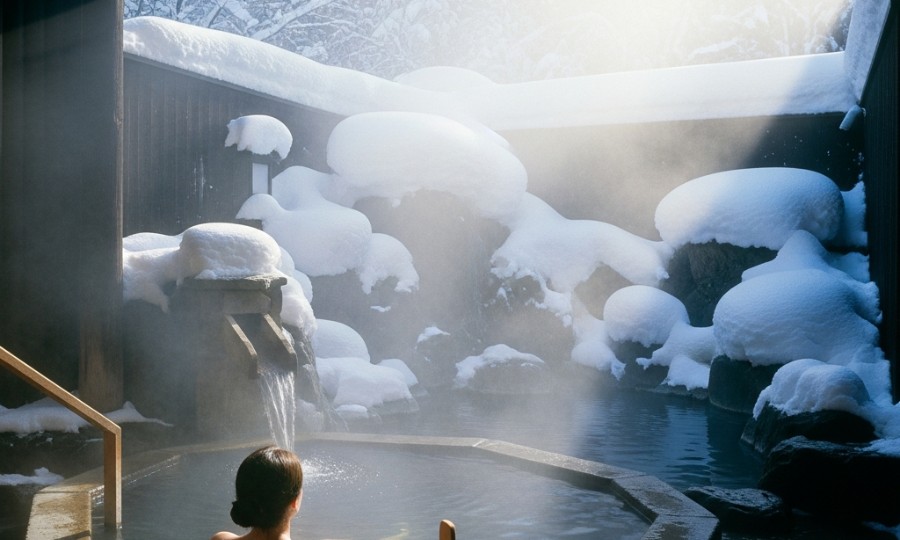
Ever hit the slopes, feeling that incredible rush of adrenaline, only to find your muscles screaming in protest a few hours later? It’s a familiar feeling for many winter sports enthusiasts, isn’t it? While the thrill of skiing or snowboarding is undeniable, the body often craves something equally profound to recover. Imagine, for a moment, slipping into a steaming outdoor bath, surrounded by a pristine blanket of snow, the crisp winter air kissing your face as the warm, mineral-rich water soothes every tired fiber of your being. Sound like a dream? In Japan, this isn’t just a fantasy; it’s a cherished tradition, a serene escape known as the onsen experience.
For American readers who appreciate both adventure and tranquility, Japan’s winter onsens offer an unparalleled opportunity to unwind and rejuvenate. We’re not just talking about a simple hot tub; these are natural hot springs, often nestled in breathtaking landscapes, each with its own unique mineral composition believed to offer various therapeutic benefits. It’s the perfect complement to a thrilling ski trip, transforming your vacation into a holistic journey of exhilaration and deep relaxation. You’ll find that stepping into an onsen after a day on the powder-covered peaks is more than just a bath; it’s a cultural immersion, a moment of profound peace that truly recharges the soul.
The Therapeutic Embrace of Japan’s Winter Onsens
The concept of bathing in natural hot springs has been integral to Japanese culture for centuries, revered not just for cleanliness but for health and spiritual well-being. These aren’t merely warm pools; they’re geothermal wonders, with water bubbling up from deep within the earth, often imbued with minerals like sulfur, iron, and radium. Each type of mineral is traditionally associated with specific health benefits, from easing muscle aches and joint pain (perfect for post-ski recovery, right?) to improving skin conditions and boosting circulation. It’s a natural pharmacy, if you will, directly from Mother Earth.
When you’re soaking in a Japanese winter onsen, especially an outdoor rotenburo, the contrast between the icy air and the steaming water creates an incredibly invigorating sensation. It’s an experience that truly heightens your senses. You might be wondering, “Are these benefits scientifically proven?” While specific medical claims should always be discussed with a doctor, the practice of balneotherapy (therapeutic bathing) has a long history, and many users report significant relief from musculoskeletal discomfort. The Japan National Tourism Organization (JNTO) often highlights the restorative powers of onsens, positioning them as a key aspect of wellness tourism. So, yes, there’s a strong cultural belief backed by anecdotal evidence that these hot springs do a body good.
Beyond the physical relief, there’s a profound mental rejuvenation that comes with the onsen experience. The quiet contemplation, the stunning natural surroundings – whether it’s a snow-covered forest or a panoramic mountain view – encourage a deep sense of calm. It’s a chance to truly disconnect from the hustle and bustle, allowing your mind to drift and your stress to melt away. For those of us constantly plugged in, this kind of digital detox is invaluable, don’t you think?
Picture-Perfect Escapes: Ginzan Onsen‘s Timeless Charm
If you’re looking for an onsen experience that feels straight out of a Ghibli film, Ginzan Onsen in Yamagata Prefecture is an absolute must-visit, especially in winter. This historic hot spring town is simply enchanting, with its narrow river flanked by traditional wooden ryokan (Japanese inns) that light up with a warm, nostalgic glow as dusk settles. Imagine walking along the cobblestone streets, snow gently falling, the steam from the onsens rising into the chilly air, creating an almost ethereal atmosphere. It’s undeniably one of Japan’s most picturesque winter destinations, offering a step back in time.
Here, you’ll find several public bathhouses and many ryokan that offer their own onsen facilities, some accessible to day-trippers for a small fee. The architectural style, reminiscent of the Taisho era (early 20th century), adds to its unique allure. The waters here are typically sulfurous, known for their skin-beautifying properties and ability to warm you to the core. After a day spent exploring the snow-laden streets or perhaps venturing to a nearby ski resort like Zao Onsen (which also boasts its own impressive onsen culture and famous ‘snow monsters’), returning to Ginzan Onsen for a restorative soak is pure bliss. You’ll feel a sense of tranquility that’s hard to find elsewhere, a genuine connection to tradition and nature.
One of the most memorable aspects of Ginzan Onsen is the complete immersion in its serene environment. There are no modern distractions, just the gentle murmur of the river, the soft glow of gas lamps, and the comforting warmth of the hot springs. It’s a place designed for quiet reflection and deep relaxation, an ideal spot to truly reset after an active day. Don’t forget to try some local delicacies too – many ryokan offer exquisite multi-course kaiseki dinners that complete the traditional Japanese experience.
Hokkaido‘s Winter Wonderland: Skiing and Soaking
For those who flock to Japan primarily for its world-class powder snow, Hokkaido is likely already on your radar. What you might not fully appreciate yet is how perfectly its abundant onsens complement the incredible skiing and snowboarding scene. After carving up the legendary slopes of Niseko, Rusutsu, or Furano, what could be better than easing your tired muscles in a natural hot spring? It’s the ultimate apres-ski activity, offering a therapeutic end to an exhilarating day.
Hokkaido boasts a multitude of onsen resorts, many of which are conveniently located near major ski areas. Take Noboribetsu Onsen, for instance, often considered one of Japan’s most famous hot spring towns. It’s renowned for its nine different types of thermal waters, each with unique mineral compositions and purported benefits. You can literally “onsen hop” to experience different water qualities, from sulfur springs to iron springs. While not directly adjacent to a major ski resort, it’s a fantastic day trip or overnight stay from Sapporo or a perfect stop on a longer Hokkaido itinerary, offering a different kind of natural spectacle with its “Hell Valley” (Jigokudani) geothermal landscape.
Closer to the slopes, you’ll find onsen facilities integrated into many ski resorts themselves. Niseko, for example, offers numerous onsens, both within hotels and standalone public baths, providing easy access to that much-needed muscle relief. Imagine stepping out of your ski boots and directly into a warm, inviting bath with views of Mount Yotei. It’s an experience that truly elevates the entire ski vacation, turning a great trip into an unforgettable one. We’re talking about pure comfort and recovery, enabling you to hit the slopes refreshed the next day. Isn’t that the dream for any dedicated skier or snowboarder?
Navigating Onsen Etiquette: A Smooth Experience
Before you dive headfirst into the blissful waters, it’s helpful to understand a few key aspects of onsen etiquette. These practices ensure a respectful and enjoyable experience for everyone. First and foremost, cleanliness is paramount. You’ll always need to wash thoroughly before entering the communal bath. This usually involves showering while seated on a small stool, using soap and shampoo provided, and rinsing completely. It’s not just about hygiene; it’s a sign of respect for the shared space and the water itself.
Another crucial point for American visitors is the strict “no swimwear” rule in most traditional onsens. Yes, you read that right – you bathe nude. This can feel a little daunting at first, but trust me, everyone is there for the same purpose: relaxation and rejuvenation, not scrutiny. Segregated baths for men and women are standard, offering privacy. If you’re particularly shy, look for onsens that offer private rental baths (kashikiri-buro) or even ryokan rooms with their own private onsen. These options are becoming more common and can be a great way to ease into the experience.
Tattoos also warrant a mention. Traditionally, tattoos have been associated with organized crime in Japan, and many onsens prohibit entry to tattooed individuals. However, this is slowly changing, especially in tourist-heavy areas. Some onsens now allow smaller tattoos if they can be covered with a patch, while others are entirely tattoo-friendly. It’s always best to check the specific onsen’s policy beforehand, perhaps by looking at their website or asking your hotel concierge. Don’t let these rules deter you, though; a little preparation goes a long way in ensuring a wonderfully relaxing visit to Japan’s enchanting hot springs.
Your Next Adventure Awaits: Beyond the Powder
So, as you plan your next winter escape to Japan, don’t just focus on the exhilaration of the slopes. Consider carving out time for the unparalleled tranquility and therapeutic benefits of its onsens. Whether you choose the historical charm of Ginzan Onsen, the varied waters of Hokkaido’s hot spring towns, or a secluded onsen in a less-traveled region, you’re in for a treat. It’s an experience that truly nourishes both body and mind, leaving you refreshed, rejuvenated, and ready to tackle whatever comes next.
The combination of thrilling winter sports and deeply relaxing hot springs offers a unique dual experience that’s hard to replicate anywhere else in the world. It’s a chance to immerse yourself in Japanese culture, embrace a centuries-old tradition, and return home not just with incredible memories of powder days, but with a profound sense of well-being. What are you waiting for? Your ultimate winter wellness adventure in Japan is calling.
Ready to plan your trip?
AIrConxt builds daily trip plans in 2 minutes.
Calculator values are estimates. Always confirm with your airline, hotel, or credit-card provider.
